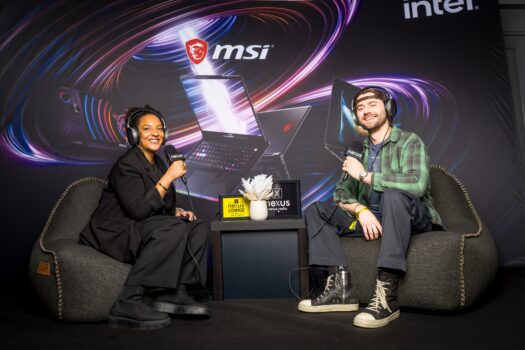
Before Terry Hunter was a Grammy-nominated remixer, he was a kid in Chicago listening to tapes his cousin brought home from the Warehouse. He was raised by his grandparents, and those recordings gave him an early window into the sound Frankie Knuckles was playing at the club. When Terry Hunter sat down with Josh at the Nexus Lounge during Amsterdam Dance Event, he went back to those tapes to explain where his interest in DJing began. During the event, he received the Nexus Radio Level Legend Award, honoring the contributions he’s made to Chicago house music.
To get a sense of what Chicago house feels like today, Terry Hunter pointed to the Chosen Few DJs Festival. It draws tens of thousands of people, and one detail he shared gives a better picture of the event than the attendance figure alone. People can bring their own barbecue grills. You can spend the day cooking and catching up with friends while DJs play the music that brought everyone together. The cookout is part of the experience, and it gives you an idea of how naturally house music fits into a summer gathering in Chicago.
That sense of how music feels in a crowd also shapes Terry Hunter’s approach in the studio. When he starts a remix, he goes straight to the drums. It’s a practical decision for a producer who thinks like a DJ. Once the rhythm is in place, he has something to build around and a way to judge how the track might land on the dance floor. His work with artists including Jill Scott and Kenny Dope gives a sense of the range of his career. The interview brings it back to that first decision about the groove.
Josh and Terry Hunter also talked about what it means to get recognized for remixing. Terry Hunter spoke with gratitude about the recognition remixers receive today and said he’d like to see that credit extend across more genres. A remix can change the setting in which people hear a song. A vocal they know from listening at home can take on a different feel when a DJ plays it in a crowded room. Terry Hunter’s emphasis on drums offers a glimpse into the choices that make that shift possible.
More from The Nexus Lounge
Explore more exclusive conversations
The stories about the Warehouse and the Chosen Few DJs Festival bookend two generations of Chicago house. In one, a club set made its way into a kid’s home on tape. In the other, thousands of people make time to spend a day together around the music that grew out of those clubs. You can hear the pride in both stories when Terry Hunter describes Chicago as a “mecca for dance music.”
The interview also looked ahead to his projects with Mirrorball Records and to how technology is changing the way artists work together. He hinted at collaborations that might surprise listeners who know him primarily for his work in house. Terry Hunter sees new tools as a way to make collaboration easier and keep it personal, though he’s more cautious about the role of artificial intelligence in making music. His reflections on collecting records brought the conversation back to listening. Long before he had a remix credit, he was paying attention to what a DJ could do with the right record. That curiosity is still there when he talks about music today. Hear the full interview below for more from Terry Hunter on Chicago house, the craft of remixing and the records that started it all.