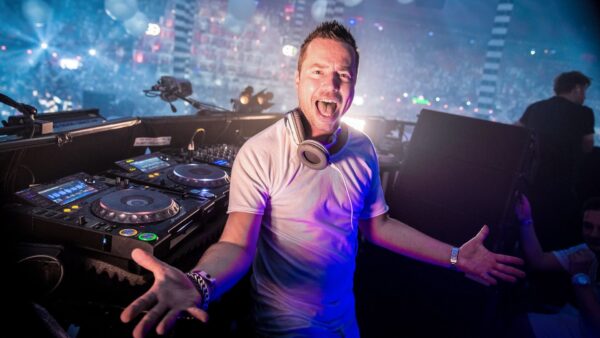
John Summit has never been one to shy away from sharing his opinions, but his latest social media outburst over the 2027 Grammy nominations has sparked a heated debate across the electronic music community. The tech-house DJ took to X to express his frustration with the Recording Academy, arguing that the dance categories have become dominated by mainstream pop artists rather than DJs and producers working primarily within electronic music. His comments quickly attracted criticism, particularly from fans who felt he was overlooking the contributions of artists with deep connections to dance music and LGBTQ+ club culture.
Summit, who apparently felt overlooked by this year’s nominations, didn’t hold back when expressing his disappointment. Calling the awards an “f’n joke,” he accused the Recording Academy of failing to recognize what he considers authentic electronic dance music. “there’s zero respect for real electronic dance music & dj’s,” he wrote, adding that “the whole dance category is just music industry fueled pop stars.” His remarks appeared to take aim at several nominated artists, including Madonna, Robyn, Tinashe, Slayyyter, and underscores, prompting fans to question his definition of dance music and who deserves recognition within the genre.
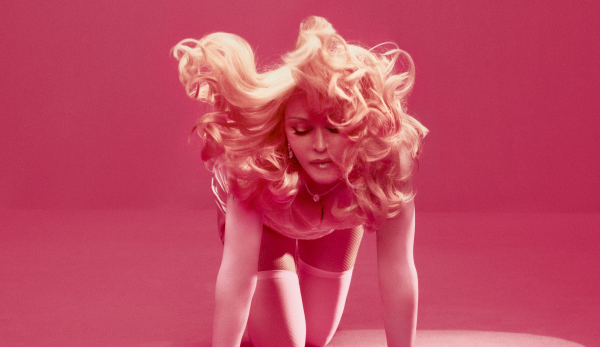
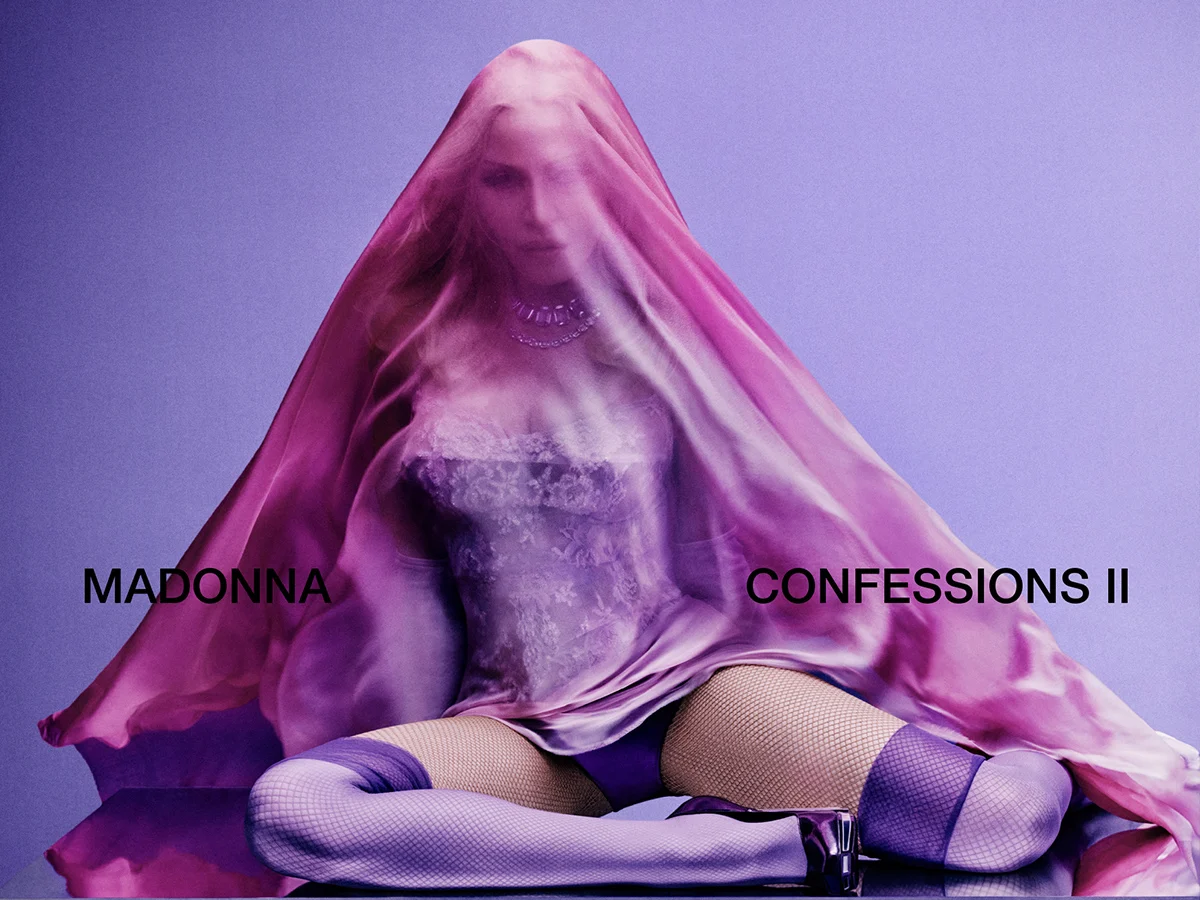
While Summit’s frustration raises a legitimate question about how the Grammys distinguish electronic music from dance-pop, his sweeping criticism struck a nerve with fans who view the genre as something far broader than traditional DJ-driven productions. Madonna, in particular, became a focal point of the controversy. The Queen of Pop has maintained a longstanding relationship with dance music and LGBTQ+ nightlife, drawing inspiration from underground club scenes throughout her career. Her nominated material from Confessions II continues that connection, with “Danceteria” referencing the legendary New York nightclub that played an important role in her early career. For many fans, suggesting that Madonna doesn’t belong in a conversation about dance music ignores decades of influence on the very culture that helped electronic music become a global phenomenon.
The backlash also highlighted the historical roots of house music, which emerged from Chicago’s predominantly Black, Latino, and LGBTQ+ club communities before expanding into the international movement it is today. Summit, who grew up in Naperville, Illinois, and previously worked as an accountant at Ernst & Young before pursuing music full-time, represents a newer generation of electronic artists who have achieved enormous commercial success. His rise from the Chicago-area dance scene to major festival stages has made him one of tech-house’s most recognizable names. Although his background certainly doesn’t diminish his accomplishments or credibility as an artist, critics argued that his comments demonstrated a lack of appreciation for the broader cultural influences that continue to shape dance music.
The controversy also revived memories of an earlier social media exchange between Summit and Charli xcx. When the pop star made remarks about the dance floor being dead, Summit responded, “Maybe ur pop music dance floor is dead but ours isn’t babe.” That exchange similarly exposed tensions between mainstream pop audiences and electronic music communities, despite the considerable overlap between the two. Interestingly, Summit has previously acknowledged the importance of LGBTQ+ culture to house music, even joking about struggling to keep up with gay clubgoers. “every time i try keeping up with the gays i lose so this is facts,” he once posted, before adding, “they also invented house music so im forever in their debt.” Those earlier comments made his Grammy criticism particularly disappointing to some fans, who interpreted his latest remarks as dismissive of artists with strong connections to queer nightlife.
The discussion extended well beyond Madonna. Tinashe’s nominated recording “Melatonin,” alongside Slayyyter’s “CRANK” and Robyn’s work, reflects the increasingly fluid relationship between electronic production and contemporary pop music. These artists have built substantial followings within LGBTQ+ nightlife and dance communities, where their music regularly finds a home alongside more traditional house and electronic releases. Nightfeelings, who co-produced Tinashe’s “Melatonin,” also responded to Summit’s criticism by pointing to his experience performing at Berlin’s renowned Berghain nightclub. “I come from house music,” he replied, challenging the suggestion that working with mainstream vocalists somehow makes an artist less connected to electronic music culture.
Beneath the social media controversy, however, lies a larger issue worth examining. The Grammys have increasingly recognized music that crosses the boundaries between dance, electronic, alternative, and pop, creating a competitive landscape where underground producers and established pop stars can find themselves competing for similar honors. For DJs whose careers are built primarily around club releases, electronic production, and festival performances, that evolution can understandably create frustration. At the same time, dance music has never existed in isolation from popular culture. Its history is filled with crossover records, genre experimentation, and artists who have introduced underground sounds to wider audiences. From Madonna’s decades of club anthems to Robyn’s emotionally charged electronic pop, the relationship between mainstream success and dance-floor credibility has always been more complicated than a simple distinction between DJs and pop stars.
After initially standing by his criticism, Summit eventually softened his position and announced that he was stepping away from the online discussion. “my intent was not to drag other artists down and i seriously congratulate everyone who was nominated,” he wrote. His clarification helped bring the exchange to a more conciliatory conclusion, although the conversation surrounding Grammy recognition and dance music’s cultural identity is unlikely to disappear anytime soon.
Ultimately, the controversy raises a question that extends well beyond John Summit or any individual Grammy nominee: What qualifies as authentic dance music, and who gets to decide? As electronic music continues to evolve, the boundaries between underground credibility and mainstream success are becoming increasingly difficult to define. While Summit’s frustration may resonate with producers who believe traditional electronic artists deserve greater recognition, the backlash serves as a reminder that dance music’s influence reaches far beyond festival stages and DJ booths. For a genre built on creativity, inclusivity, and bringing people together on the dance floor, there should be room to celebrate both its underground foundations and its mainstream evolution.