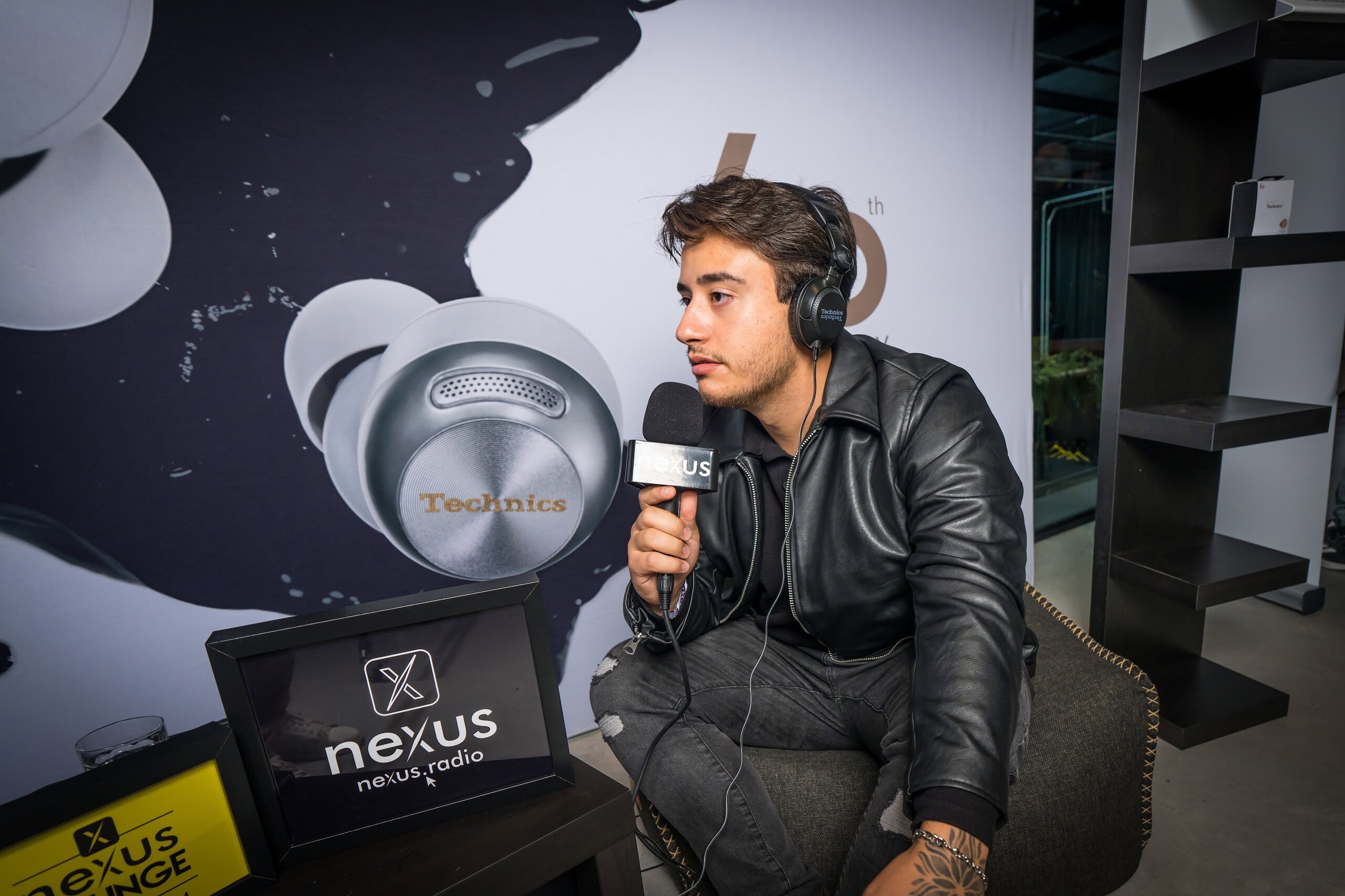
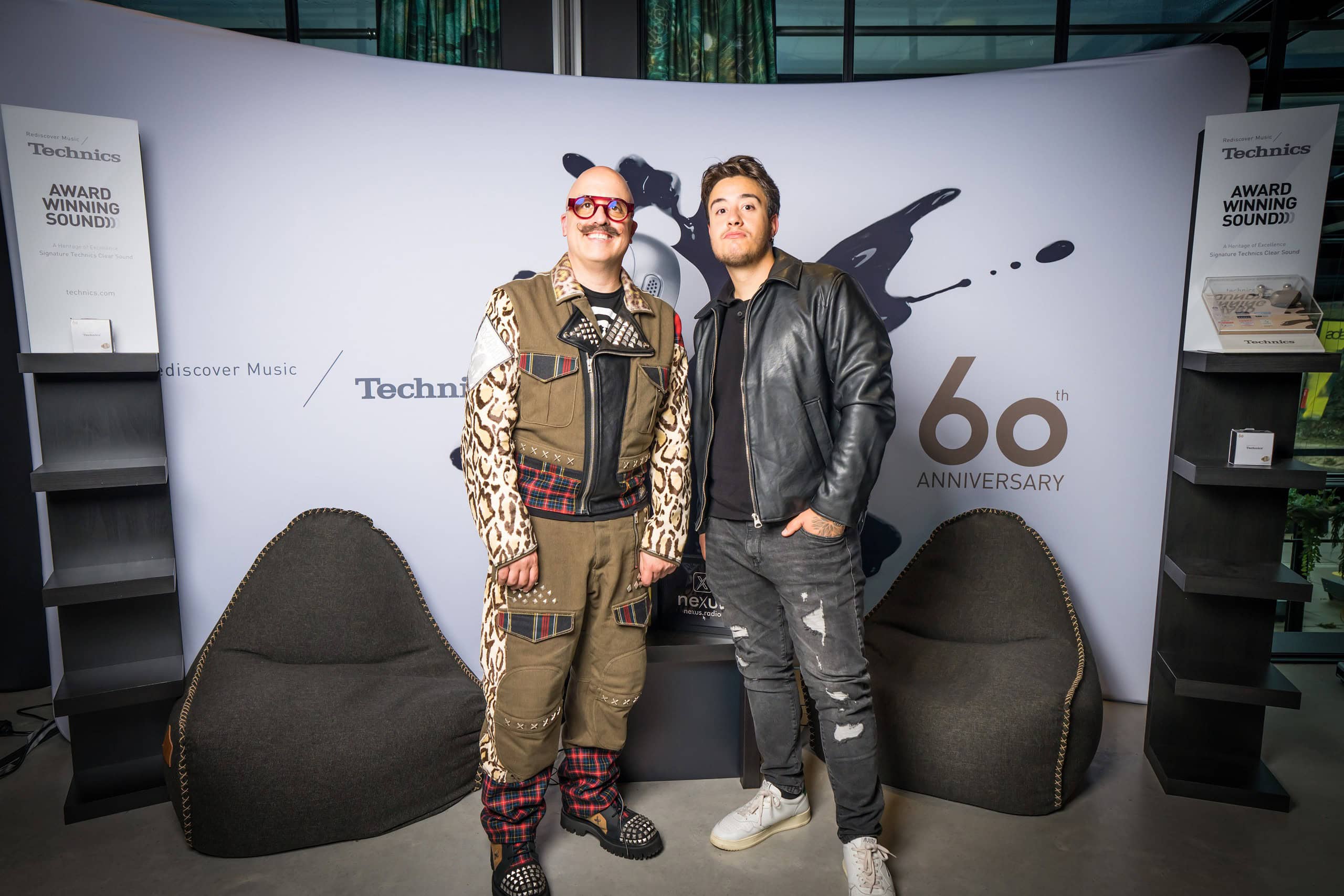
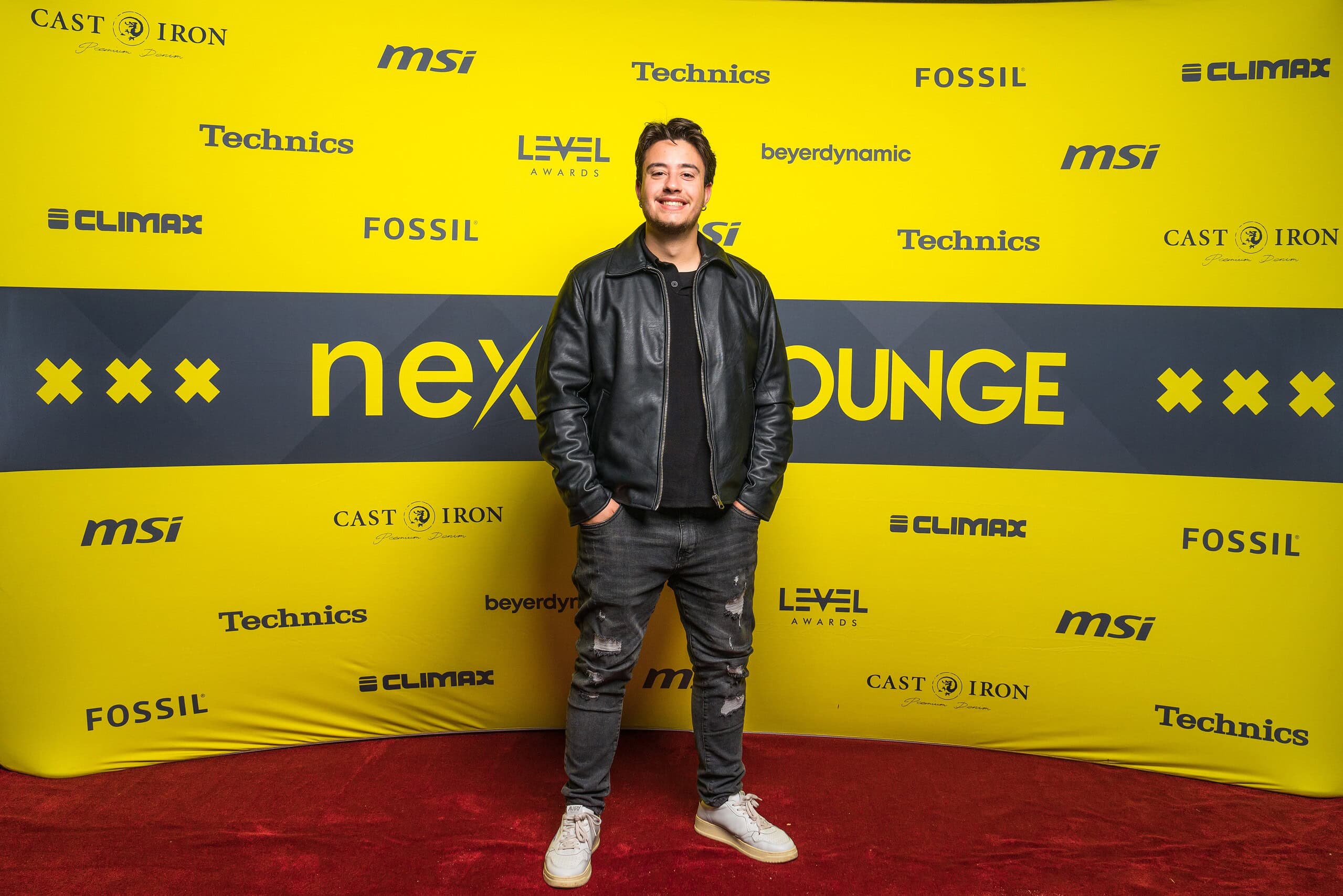
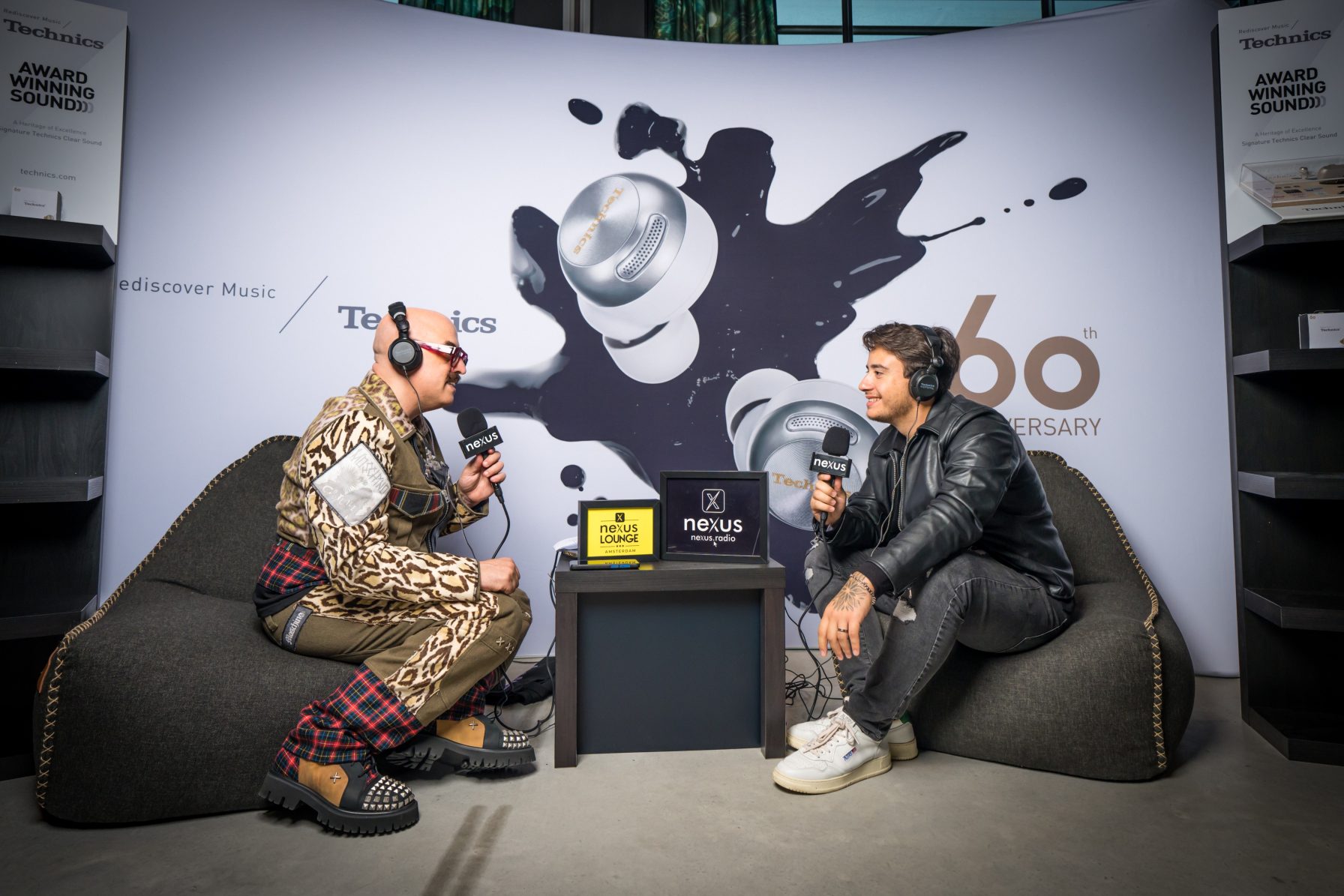
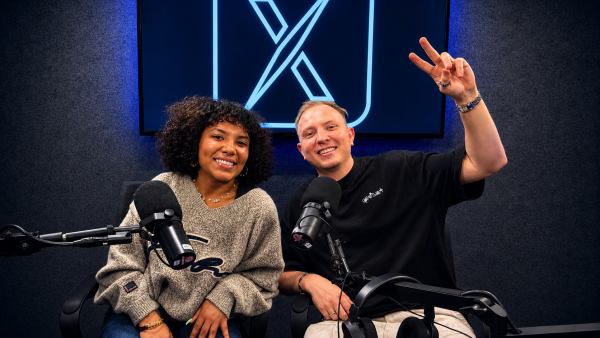
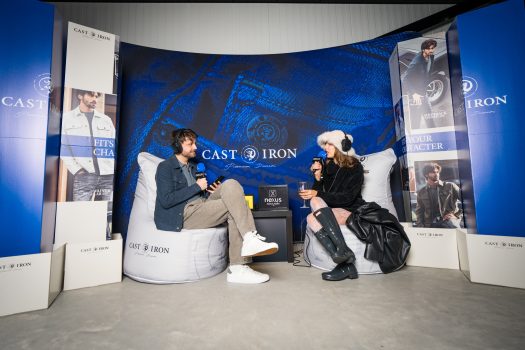
In a vibrant conversation at the Technics Space, DJ Ron from Nexus Radio sat down with DJ and producer Damian Mike to discuss creativity, inspiration, and the connections that drive today’s electronic music scene. From the outset, Damian’s enthusiasm was unmistakable as he reflected on being immersed in a city and community that thrives on sound, culture, and shared passion.
When asked to describe Amsterdam in a single word, Damian Mike didn’t hesitate: connections. For him, the city represents a meeting point where artists, fans, and industry professionals come together, exchange ideas, and fuel one another’s creativity. That spirit of connection, he explained, is essential to electronic music—a genre built on energy, collaboration, and collective experience.
Musically, Damian Mike’s sound bridges eras. Drawing inspiration from the golden age of EDM, he blends big room house and progressive house with cinematic textures and darker, mood-driven elements. His tracks feel less like standalone songs and more like soundtracks—carefully layered narratives designed to take listeners on a journey rather than simply fill a dance floor.
Film and television play a major role in that approach. Damian Mike described himself as a devoted soundtrack fan, often inspired by the emotional pull and storytelling found in movies and series. Those influences translate directly into his productions, where atmosphere and drama are just as important as rhythm and drop placement.
Discussing his workflow, Damian Mike highlighted the contrast between studio creation and live performance. The studio is his laboratory—a place for experimentation, freedom, and self-discovery. The stage, on the other hand, is where those ideas come alive, allowing him to share the emotional weight and energy of his music with an audience in real time.
Looking ahead, Damian Mike teased new material that ventures further into big room techno and driving techno, while still pulling from a wide range of genres. This evolution reflects his commitment to pushing boundaries and continually refining his sound without losing the cinematic identity that defines his work. Listen to the full interview below.