

Sphere Entertainment, the company behind the groundbreaking Sphere in Las Vegas, has announced plans to develop a second US Sphere venue, this time in the Washington, D.C. area. The proposed location is National Harbor, Maryland, positioning the project just outside the US capital while tapping into one of the country’s busiest tourism and entertainment corridors.
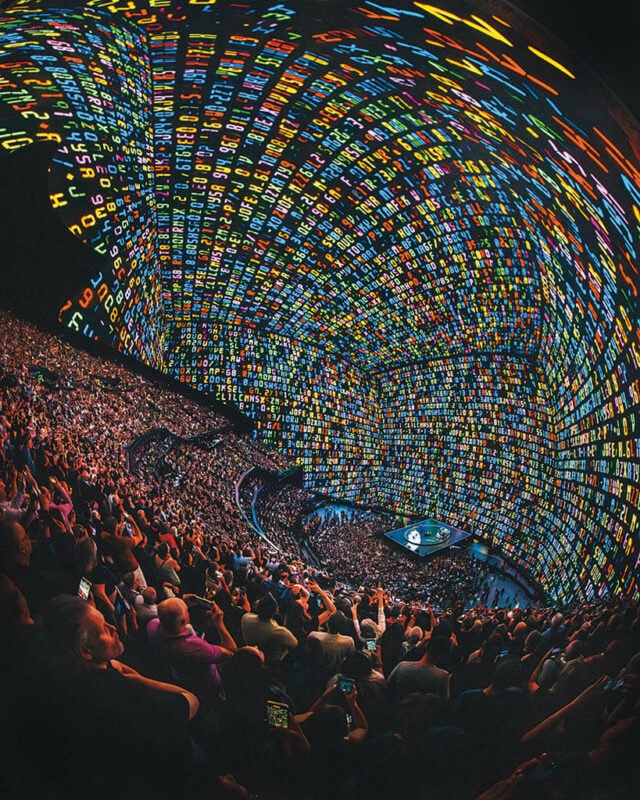
Unlike its Las Vegas counterpart, which boasts a capacity of 20,000, the Washington-area Sphere will be a smaller-scale venue designed to hold approximately 6,000 people. Despite the reduced size, Sphere Entertainment has confirmed that the venue will feature the same cutting-edge technology that has defined the Sphere brand, including an LED “exosphere,” ultra-high-resolution 16K interior displays, 4D visual elements, and a fully immersive, next-generation sound system.
The Washington, D.C. Sphere is expected to cost around $200 million to construct, with funding coming from a mix of private and public investment. By comparison, the Las Vegas Sphere—opened in 2023—ultimately cost approximately $2.3 billion to build, exceeding its original budget by $1 billion and reporting losses of around $500 million in its first year of operation. Even so, Sphere Entertainment remains confident in the long-term viability of the concept.
According to the developer, the Maryland project would generate roughly 2,500 construction jobs and an additional 4,750 permanent roles once the venue is operational. The company estimates the Sphere could contribute up to $1 billion annually to Maryland’s economy, underscoring its potential as both a cultural landmark and an economic driver for the region.
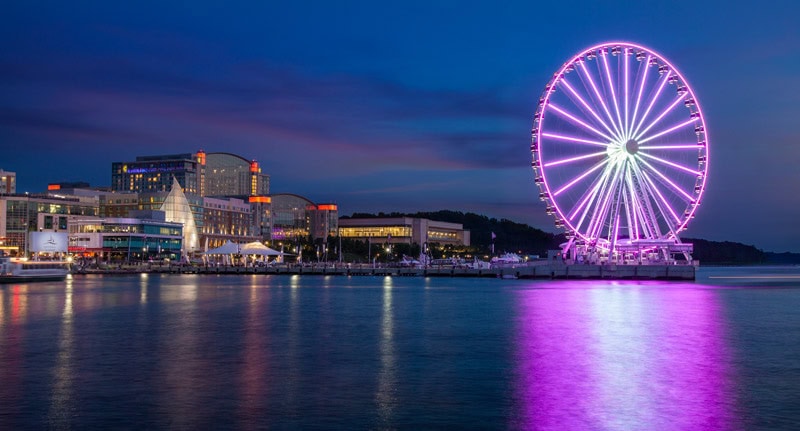
While no official construction start date has been announced, the Washington-area venue represents the second new Sphere currently in development. In October 2024, Sphere Entertainment also revealed plans for an international expansion with a proposed Sphere in Abu Dhabi, signaling ambitions to turn the immersive venue into a global brand.
Not all Sphere proposals have moved forward smoothly. A similar project planned for Stratford, London—backed by operators of Madison Square Garden—was officially rejected in January 2024 after Hackney Council raised concerns about light pollution and its impact on the surrounding area.
As Sphere Entertainment continues to refine its approach with smaller, more flexible venues, the planned Washington, D.C.-area Sphere could serve as a key test case for how the immersive concept adapts beyond Las Vegas, potentially paving the way for “mini Spheres” in major cities around the world.