

Ibiza’s global reputation as the epicenter of electronic music can make it easy to forget that the island’s story stretches back thousands of years, long before DJ booths, superclubs, and sunrise sets. Beneath the neon lights and beach clubs lies a layered history shaped by ancient civilizations, pirates, hippies, and cultural rebels. To understand Ibiza today, you have to rewind far beyond the dancefloor.
The island’s recorded history begins around 654 BCE, when Phoenician settlers arrived and established a trading port they called Ibossim. Its strategic location in the Mediterranean made it a vital hub connecting Europe, North Africa, and the Near East. The Phoenicians built temples, burial grounds, and fortified settlements, many of which still influence the island’s archaeological landscape today. Later, the Carthaginians expanded Ibiza’s commercial importance, turning it into a thriving maritime center.
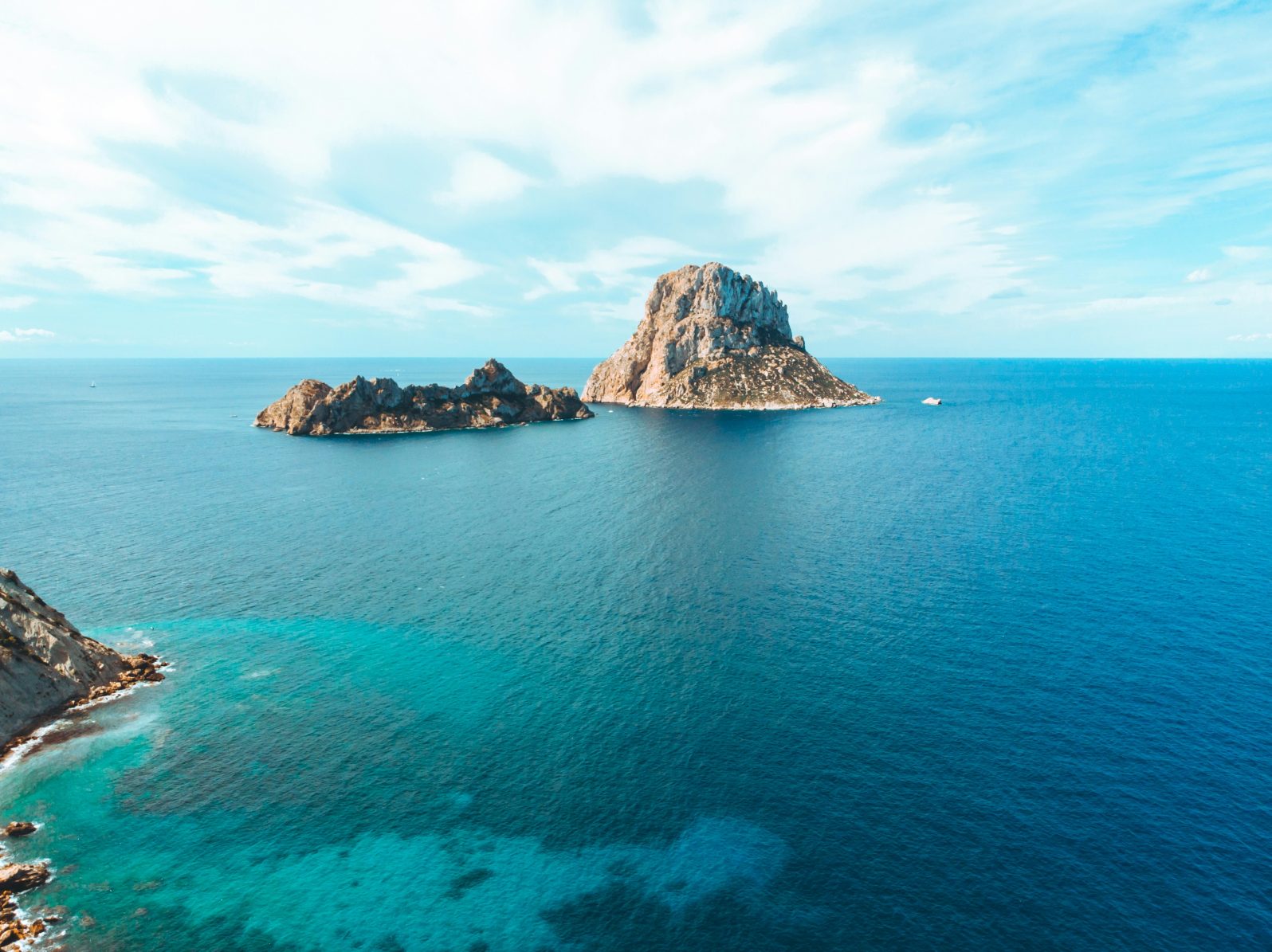
After the fall of Carthage, Ibiza became part of the Roman Empire, where it was renamed Ebusus. Under Roman rule, the island developed agriculture, salt production, and trade networks that strengthened its economic foundation. Even today, Ibiza’s salt flats — Las Salinas — echo that ancient industry, linking modern beach culture with centuries-old commerce.
In the early Middle Ages, Ibiza came under Muslim rule as part of Al-Andalus. This era left a deep architectural and cultural imprint, especially in the island’s irrigation systems, agricultural practices, and fortified structures. The influence of Islamic design can still be traced in the layout of historic areas like Dalt Vila, the UNESCO-listed old town that crowns Ibiza Town with its imposing stone walls and narrow cobbled streets. In 1235, Catalan forces conquered the island, bringing it under the Crown of Aragon and reintroducing Christianity — a shift that shaped much of Ibiza’s medieval identity.
For centuries, Ibiza remained relatively isolated and rural, often targeted by pirates due to its strategic position. The fortified walls of Dalt Vila were strengthened in the 16th century specifically to defend against Ottoman attacks. Life on the island revolved around fishing, farming, and salt production. It was quiet, traditional, and largely disconnected from mainland Spain’s rapid modernization.
That began to change in the mid-20th century. In the 1950s and 60s, Ibiza became a refuge for artists, writers, and free spirits escaping rigid social norms elsewhere in Europe and the United States. The island’s affordability, natural beauty, and tolerant atmosphere attracted a wave of bohemians and later the global hippie movement. Communal living, open-air gatherings, and a philosophy of freedom laid the groundwork for what would eventually become Ibiza’s modern identity: a place where creativity and self-expression thrive.
By the late 1970s and 80s, that spirit merged with the rise of electronic music. Clubs like Pacha and Amnesia began shaping a new cultural chapter, blending Balearic sounds with international DJ culture. The island’s open-minded ethos allowed dance music to flourish without the restrictions found elsewhere. What started as underground experimentation evolved into a global phenomenon, drawing producers, DJs, and fans from every continent.
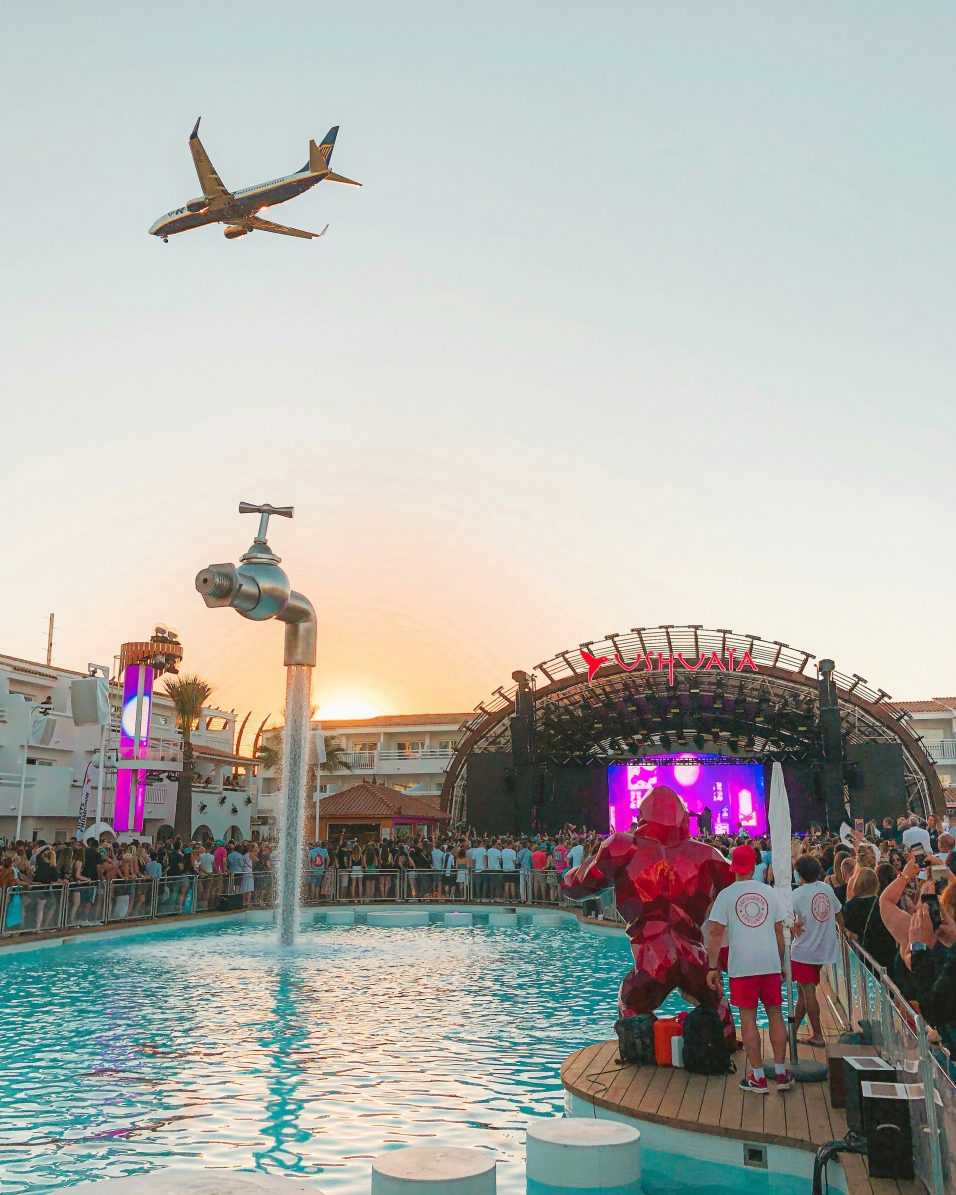
Today, Ibiza stands at a fascinating intersection of heritage and hyper-modern spectacle. Mega-residencies, luxury hotels, and high-production events coexist with ancient fortifications and quiet northern villages that feel unchanged by time. You can explore 2,500-year-old ruins in the morning and dance to world-class electronic music by night. Few destinations offer such dramatic contrasts within such a small footprint.
Ibiza’s story is ultimately one of reinvention. From Phoenician port to Roman outpost, from pirate battleground to hippie sanctuary, from underground club haven to global dance capital — the island has continually evolved while preserving its core essence of openness and cultural exchange.
And perhaps that’s why it continues to captivate the world. Ibiza has never been just about the party. It’s about transformation — personal, cultural, and historical — layered across centuries of Mediterranean sunlight.