
There are dance records that become hits, and then there are records that somehow transcend the moment that created them. Ultra Naté’s “Free” belongs firmly in the latter category. Released in 1997, the song has spent nearly three decades refusing to disappear, traveling from the clubs and radio stations of the late ’90s to festival stages, Pride celebrations and dancefloors around the world. That unmistakable guitar riff still has the ability to trigger an almost immediate reaction from a crowd, but it’s the message at the heart of the record that has given it such extraordinary staying power. “Free” was never simply a song about having a good night out. It was about liberation, individuality and having the courage to live on your own terms—ideas that have remained as relevant as the music itself.
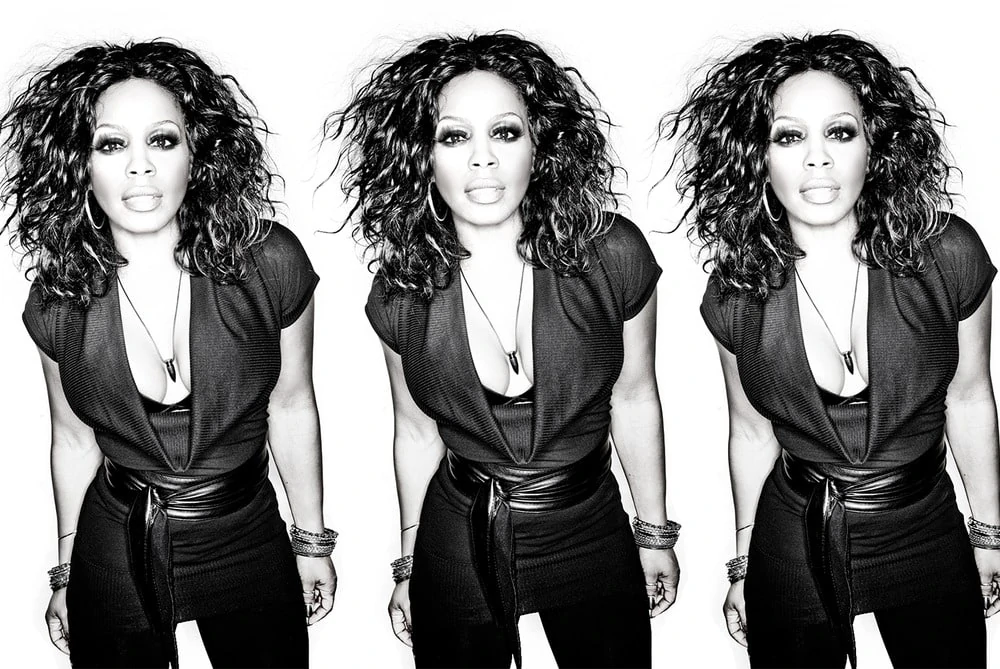
But reducing Ultra Naté to the woman behind “Free” misses most of what makes her career so remarkable. Long before the record became an international anthem, and throughout the decades that followed, Naté has remained deeply connected to the culture that produced it. She is a singer, songwriter, DJ, producer, label owner and promoter whose career has moved alongside house music as it evolved from an underground movement into a global industry. While many artists become permanently tied to the era of their biggest hit, Naté has continued to participate in dance music as a living culture rather than treating it as something to revisit nostalgically.
Born and raised in Baltimore, Naté emerged at the end of the 1980s, when house music was still building its identity outside the mainstream. Her debut album, Blue Notes in the Basement, arrived in 1991 and introduced an artist whose sound could comfortably move between house, soul, R&B and club music. By the time her third album, Situation: Critical, arrived in 1997, Naté had already spent years developing her voice and identity. Then came “Free.” Produced by Mood II Swing’s Lem Springsteen and John Ciafone, the record brought together the emotional force of Naté’s vocal with a production that felt equally at home in an underground club and on mainstream radio. It became a major international success, topped the U.S. dance chart and reached No. 4 in the United Kingdom, turning Naté into one of the defining voices of the era.
What happened afterward is arguably more interesting than the initial success. “Free” never really went away. As dance music moved through countless cycles—progressive house, electro, EDM, deep house, tech house and everything in between—the record continued finding its way back onto dancefloors. Part of that longevity comes from a production that has aged unusually well, but much of it comes from Naté herself. There is genuine conviction behind the vocal, and its message is broad enough to become personal to whoever is hearing it. For LGBTQ+ audiences in particular, “Free” took on an even deeper meaning, becoming part of a dance music tradition in which clubs and dancefloors have historically provided spaces for freedom, identity and community.
Naté, meanwhile, kept moving. Her catalog expanded with records including “Found a Cure,” “New Kind of Medicine,” “Desire,” “Automatic” and “Give It All You Got,” while her voice continued appearing throughout different eras of club music. In 1998, she joined Amber and Jocelyn Enriquez as Stars on 54 for their version of Gordon Lightfoot’s “If You Could Read My Mind,” recorded for the film 54. The collaboration became another memorable dance record from the period, but Naté’s career increasingly demonstrated that she was never interested in existing solely as a featured vocalist or a recognizable voice from the ’90s.
That became particularly clear through her work as a DJ and promoter. Back home in Baltimore, Naté helped build Sugar, which later evolved into Deep Sugar, a party rooted in the kind of house music culture that had shaped her from the beginning. It allowed her to occupy a very different role from the one audiences might associate with “Free.” Instead of arriving at a club, singing a familiar anthem and leaving, she became part of creating the entire environment—selecting records, developing a musical identity for the night and building a community around the dancefloor. Her DJ sets have similarly moved across underground house, disco, Baltimore club, gospel house, tribal sounds, edits and unreleased music, reflecting someone who continues to actively search for music rather than simply rely on her own history.
That connection to the underground is an important part of understanding Ultra Naté. Electronic music can have a short memory, particularly when it comes to the vocalists and songwriters whose voices helped define entire periods of club culture. A singer can become permanently attached to one chorus while the rest of their artistic identity slowly disappears behind it. Naté has resisted that fate by remaining involved in virtually every side of the culture. She has performed on major stages, worked independently, released new music, DJed clubs and festivals, operated her own label and helped create parties in her hometown. House music has never been a chapter she occasionally returns to. It has remained part of her everyday creative life.
It also places her in a unique position within the history of modern electronic music. Naté’s career stretches across an enormous transformation in dance culture. She began releasing records before electronic music became the global festival industry it is today, experienced the crossover explosion of dance music in the 1990s, watched house move through periods of mainstream popularity and underground reinvention, and eventually saw a new generation discover the music through streaming, social media and festivals. Through all of those changes, she has remained recognizably herself.
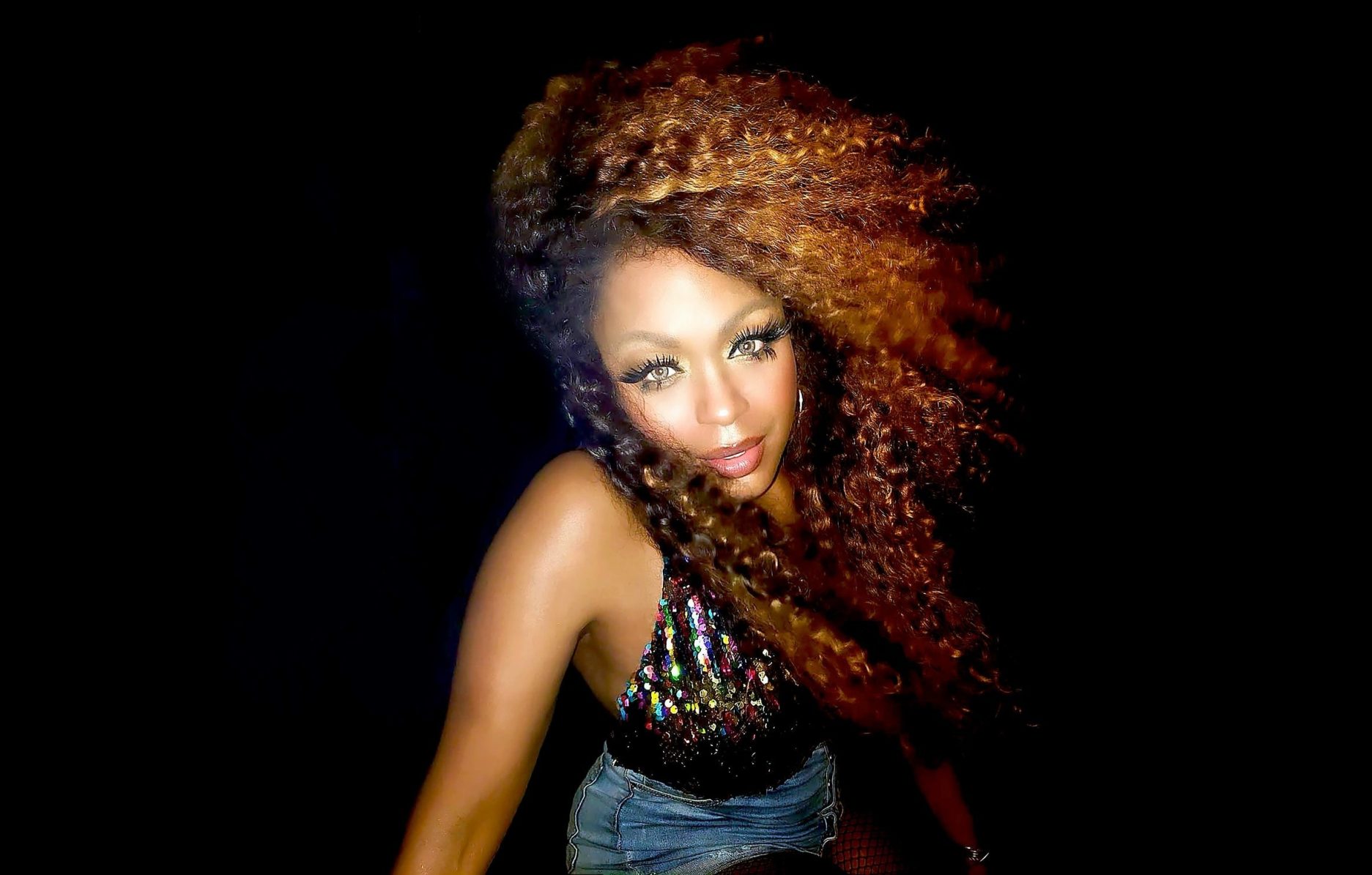
And inevitably, “Free” has traveled alongside her. Today, the song can bring together several generations on the same dancefloor. For one person, hearing it might immediately bring back memories of the late ’90s. For someone else, it could be a record they discovered through their parents, a DJ set, a remix or a Pride celebration years after its original release. That ability to continuously regenerate is something only a small number of dance records ever achieve. They stop belonging exclusively to the artist or the era that produced them and become part of the culture itself.
There is something fitting about the fact that a song called “Free” ultimately became bigger than the boundaries surrounding it. It crossed between underground clubs and mainstream radio, between house music and pop, and between generations of listeners who have found their own meaning inside its message. Yet the lasting power of the record also says something about the artist behind it. Ultra Naté never allowed herself to become frozen inside the success of 1997. Instead, she continued evolving alongside the music, maintaining the curiosity and connection to club culture that had been there from the beginning.
Nearly three decades after “Free” changed the trajectory of her career, Ultra Naté remains a working part of the world that created it. She still DJs, performs, releases music and contributes to the culture from inside rather than observing it from a distance. That may ultimately be the most important part of her story. Plenty of artists have created an enduring dance anthem. Far fewer have built an enduring life within dance music itself.