
Artificial intelligence is beginning to reshape the role of music in healthcare, turning songs into precision tools for managing neurological conditions such as dementia and Parkinson’s disease. From predicting behavioral episodes to subtly adjusting movement, researchers are discovering how algorithmically delivered music can intervene at exactly the right moment — often before symptoms become disruptive or dangerous.
At the forefront of this emerging field is Professor Felicity Baker of the University of Melbourne, who leads the Matchplus.ai project. Baker recently secured $1.3 million in philanthropic funding from Google to develop wearable sensors that can predict agitation in dementia patients up to 15 minutes before it occurs. Her team was selected from more than 800 global applicants competing for the funding, highlighting the growing interest in AI-driven healthcare solutions.
The system works by monitoring physiological signals — such as heart rate variability and movement patterns — through wearable devices. When the AI detects early signs of distress, it automatically delivers personalized music chosen to calm the individual before agitation escalates into wandering, falls, or aggressive behavior. According to Baker, the technology can identify warning signs five to 15 minutes in advance, offering caregivers a critical intervention window.
“We’re using wearables to actually develop algorithms that can predict when someone is going to start wandering or is going to get up and have a fall or hit another resident in the nursing home,”
Beyond improving quality of life, the technology could significantly reduce reliance on psychotropic medications in aged care facilities, which are often associated with side effects such as sedation and increased fall risk. However, Baker notes that the most complex challenge lies not in predicting agitation, but in teaching AI how to choose the right music — determining which songs work best, in what order, and how musical responses differ across neurological conditions.
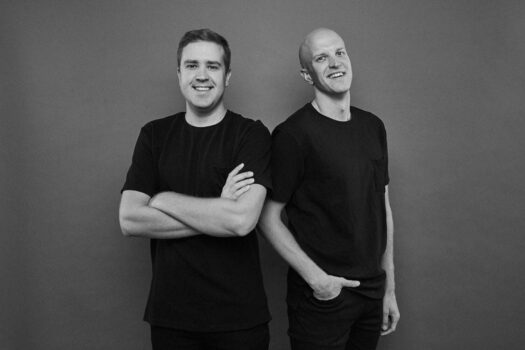
A parallel effort is unfolding in Canada, where neuroscientist Simone Dalla Bella of the University of Montreal has co-founded BeatHealth, a startup focused on Parkinson’s disease. Its app, BeatMove, uses adaptive music tempo to help patients regulate movement. The music subtly speeds up to encourage faster walking and slows down as users fatigue, creating a responsive auditory “partner” that adjusts in real time.
“Imagine that you have music in the background that you chose, and the music is going a bit faster than you, so it motivates you to run a bit faster,” Dalla Bella explained. “But then if you’re tired and you slow down, the music will follow you gently as if you were running or walking with a theoretical partner.”
The concept is currently being tested in a French clinical trial, where Parkinson’s patients are using the app during walks in public parks to evaluate whether adaptive music improves gait and mobility.
Music therapy itself has long been used in clinical settings, typically through one-on-one sessions led by trained therapists. What AI introduces is scale — the ability to deliver personalized, responsive treatment to thousands of patients simultaneously. For example, instead of a therapist manually selecting calming music during a dementia patient’s distress, an AI system can detect elevated stress levels and instantly play a familiar song that has previously reduced agitation.
Music therapy itself has long been used in clinical settings, typically through one-on-one sessions led by trained therapists. What AI introduces is scale — the ability to deliver personalized, responsive treatment to thousands of patients simultaneously. For example, instead of a therapist manually selecting calming music during a dementia patient’s distress, an AI system can detect elevated stress levels and instantly play a familiar song that has previously reduced agitation.