
The Sony Discman was once a defining symbol of youth culture, clipped to belts, tucked into backpacks, and spinning the soundtracks of everyday life. Today, it has taken on a very different role—preserved behind glass in museums as a relic of a rapidly evolving era in music technology.
Recent exhibitions, including displays documented by Computer History Museum and captured by Wonderful Museums, showcase portable CD players as artifacts of a not-so-distant past. These displays highlight a time when CDs dominated the global music industry and portable listening was undergoing a major transformation.
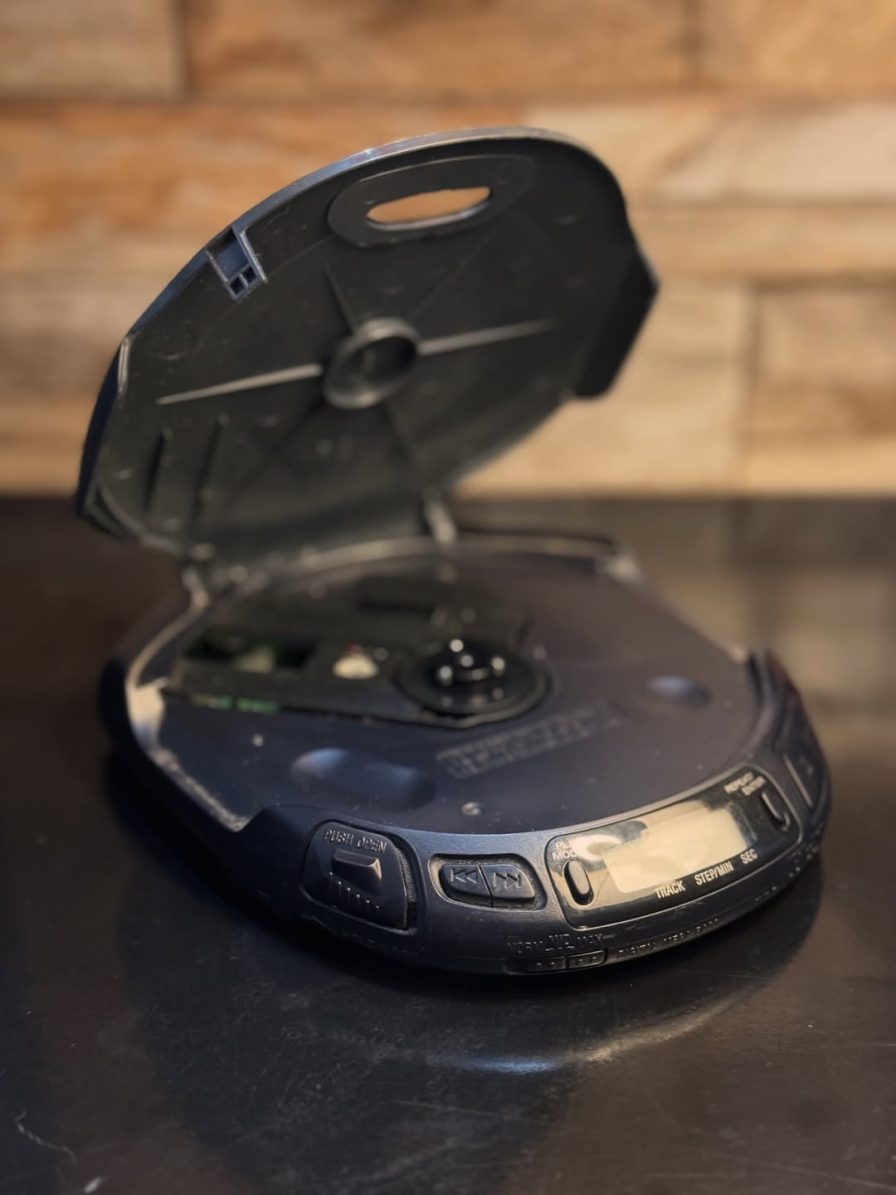
The Discman first debuted in 1984, following the massive success of the Sony Walkman. While early models were bulky and prone to skipping, the technology improved significantly by the late 1990s and early 2000s. Anti-skip protection—capable of buffering up to 40 seconds of audio—made it possible to listen on the move, whether walking to school or commuting across town. Still, sudden movements could interrupt playback, and that occasional skip became part of the experience.
At its peak around the year 2000, CDs were the dominant format worldwide, with global sales reaching approximately 2.5 billion discs annually. For many teenagers, music meant carrying binders filled with albums or burned mix CDs, swapping tracks with friends, and pressing play through wired headphones powered by AA batteries. It was tactile, personal, and deeply embedded in daily routines.
But the dominance of CDs was short-lived. The rise of MP3 players—and soon after, the revolutionary Apple iPod—changed everything. Digital files eliminated the need for physical media, offering instant access to entire music libraries in a single device. Practically overnight, the Discman and its counterparts became obsolete.
Now, seeing a Discman in a museum evokes a unique kind of nostalgia. It represents a transitional moment—bridging the physical and digital worlds of music consumption. For those who grew up rewinding tracks, swapping discs, and carefully navigating anti-skip limitations, it’s a reminder not just of how we listened, but of how quickly everything changed.