

When people think about Pride Month, they often picture rainbow flags, parades, and celebrations. But Pride is also a time to recognize the communities and cultural movements that have left a lasting impact on music, nightlife, and popular culture. One of the most influential of those movements is voguing — a dance style born in New York City’s underground ballroom scene that continues to influence dance music and club culture around the world.
Long before voguing became a viral dance trend or appeared in music videos, it was a form of expression created by Black and Latino LGBTQ+ communities who were often excluded from mainstream society. In the ballrooms of Harlem during the 1960s, 70s, and 80s, people came together to create spaces where they could be themselves, compete, perform, and find acceptance. Many participants belonged to “houses,” chosen families that offered support, mentorship, and community for those who had been rejected elsewhere.
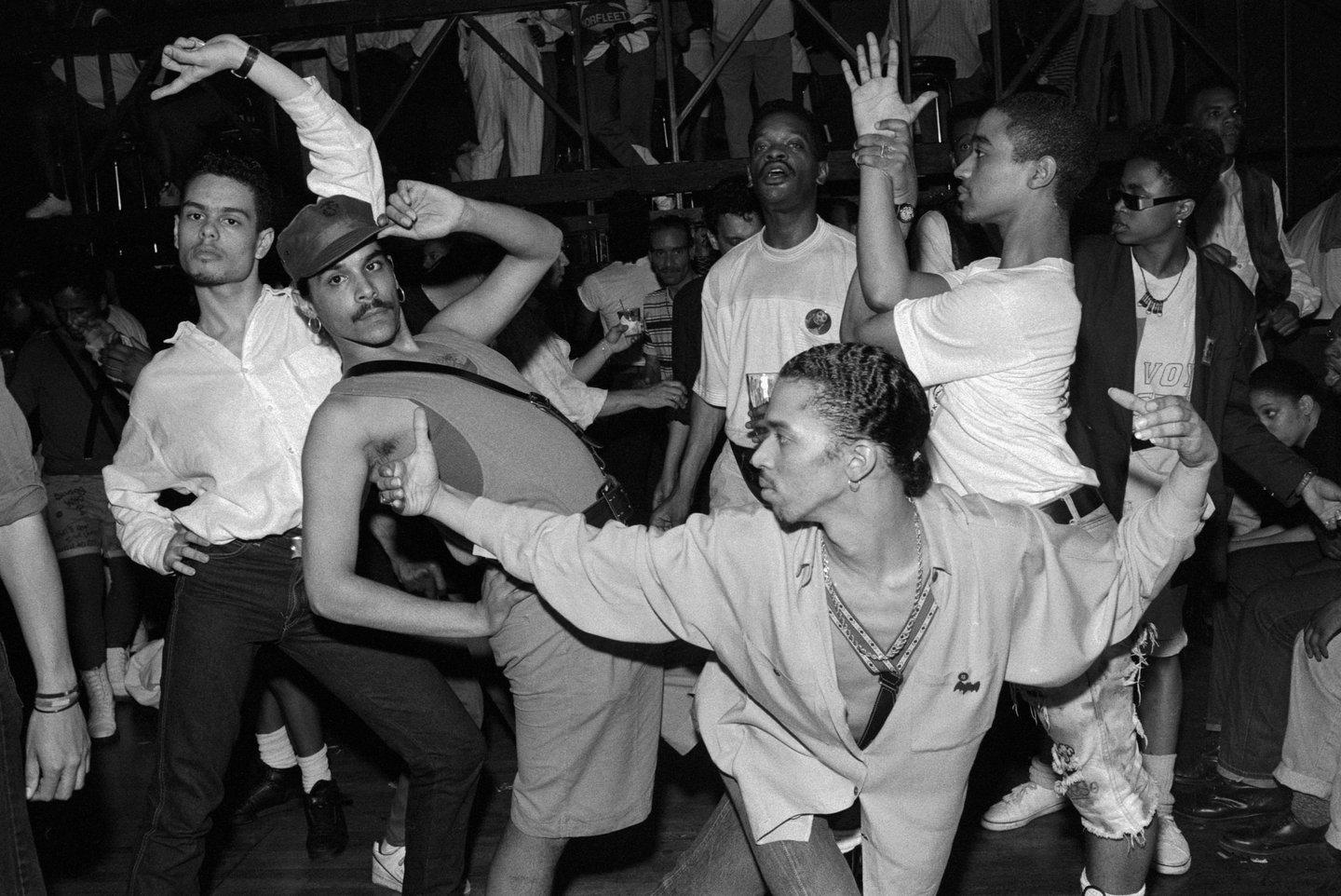
Within these ballrooms, dancers developed a unique style inspired by the poses seen in fashion magazines. Competitors would strike dramatic poses, move with precision and confidence, and tell stories through movement. What began as an artistic expression quickly evolved into a highly skilled dance form known as voguing. It wasn’t simply about dancing; it was about identity, confidence, and claiming space in a world that often denied it.
Music was at the heart of everything. Ballroom events needed soundtracks that matched the energy of the dancers, and DJs responded by creating tracks filled with driving beats, sharp percussion, dramatic vocal samples, and infectious rhythms. Those sounds shared a natural connection with the house music that was simultaneously emerging from Chicago and spreading across clubs around the world. As house music grew, so did its relationship with ballroom culture.
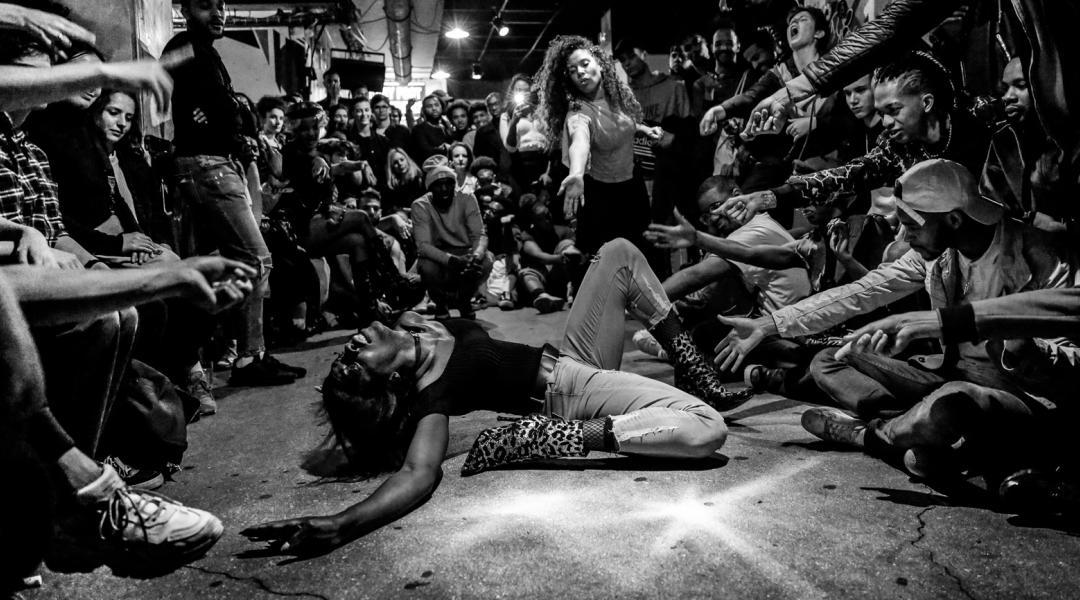
The connection between voguing and dance music became impossible to ignore in 1990 when Madonna released “Vogue.” The song introduced millions of people to ballroom-inspired dance styles and helped bring visibility to a culture that had existed for decades underground. While the mainstream spotlight was significant, the true story of voguing belongs to the communities that built it long before it reached radio stations and television screens. Around the same time, the documentary “Paris Is Burning” offered a powerful look inside ballroom culture and introduced audiences to many of the personalities, struggles, and triumphs that defined the scene.
Today, the influence of ballroom culture can be heard and seen throughout dance music. House, tribal house, techno, and many other genres continue to borrow rhythmic elements and performance energy that originated in ballroom spaces. DJs, producers, dancers, and performers around the world draw inspiration from a culture that transformed adversity into creativity. Even modern festival stages and social media dance trends often contain traces of movements that were first perfected on ballroom floors decades ago.
Perhaps the most remarkable thing about voguing is that it continues to evolve. Ballroom culture remains vibrant today, with new generations of performers carrying forward traditions while adding their own innovations. The community that created voguing didn’t just influence dance; it helped redefine what nightlife could be — a place where self-expression, individuality, and creativity are celebrated.
As we celebrate Pride Month, it’s worth remembering that many of the sounds and styles that define modern dance music have roots in communities that fought for visibility and acceptance. Every house anthem, every packed dance floor, and every performer confidently expressing themselves on stage owes something to the pioneers of ballroom culture. Their legacy lives on every time the beat drops and people come together to dance.