
House music wasn’t created in a boardroom or engineered for radio dominance. It was born in dark rooms, on borrowed equipment, and through communities searching for freedom on the dancefloor. What began as an underground sound in Chicago during the early 1980s has grown into one of the most influential genres in modern music — shaping nightlife, fashion, culture, and even pop radio across the globe.
The story begins in Chicago. After the disco backlash of the late 1970s — when mainstream America rejected disco culture in events like “Disco Demolition Night” — dance music was pushed back underground. But in Chicago’s Black, Latino, and LGBTQ+ communities, disco never truly died. Instead, it evolved. At clubs like The Warehouse, DJ and producer Frankie Knuckles began blending disco records with European electronic sounds and drum machine-driven beats. The club’s name is widely believed to have inspired the term “house music.”
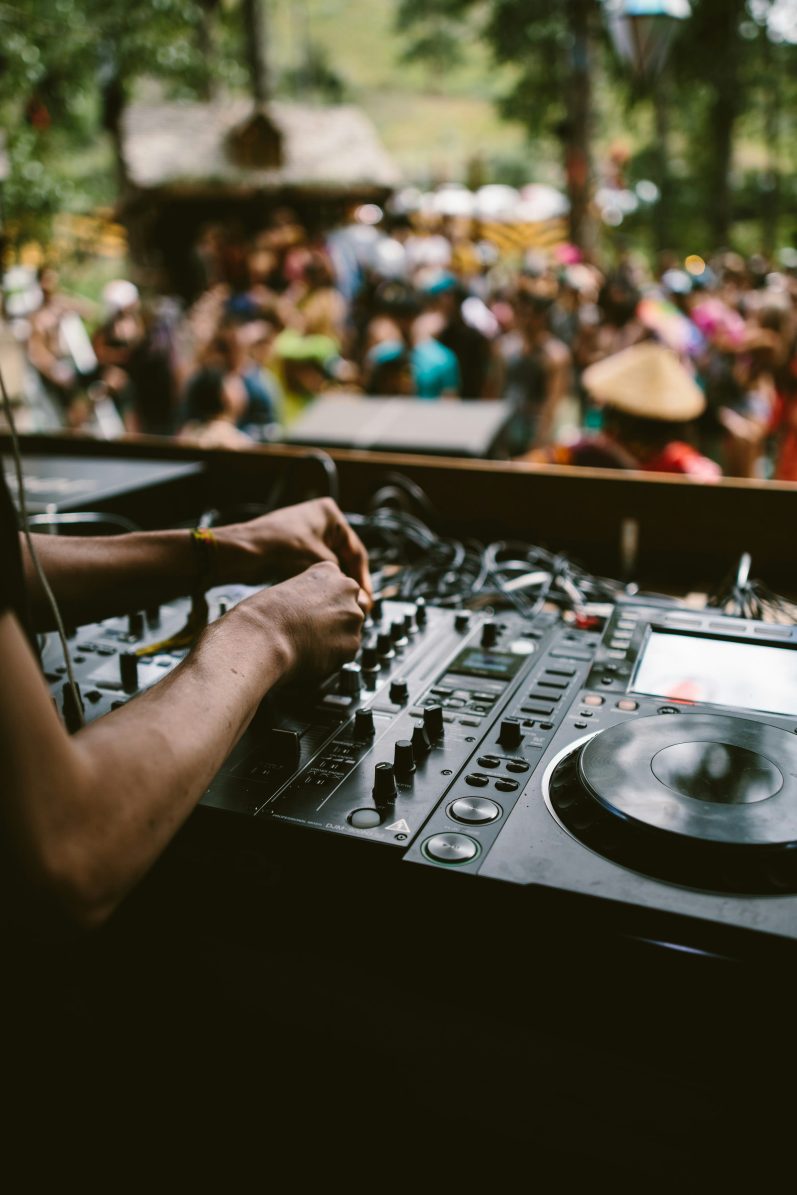
Knuckles and other Chicago pioneers experimented with drum machines like the Roland TR-808 and TR-909, extending grooves, layering soulful vocals, and creating hypnotic rhythms that felt both mechanical and deeply emotional. Around the same time, producers like Marshall Jefferson helped define the genre’s melodic identity with piano-driven anthems such as “Move Your Body,” often called the “House Music Anthem.” Meanwhile, Ron Hardy pushed the sound into darker, more experimental territory at Chicago’s Music Box, playing raw, unreleased tracks that challenged dancers and expanded the genre’s boundaries.
House music quickly spread beyond Chicago. In Detroit, it influenced and overlapped with the emerging techno scene. In New York, garage house developed, driven by soulful vocals and club institutions like Paradise Garage. Across the Atlantic, British DJs returning from Ibiza brought back a euphoric, Balearic-infused version of house that would ignite the UK rave explosion of the late 1980s and early 1990s.
By the early 90s, house music had splintered into subgenres. Deep house emphasized warmth and groove. Acid house, driven by the squelching Roland TB-303 bassline, fueled warehouse raves and smiley-face culture. Progressive house leaned into layered builds and melodic journeys. Tribal house brought percussive intensity. Each branch reflected the local culture that adopted it.
What made house music revolutionary wasn’t just its sound — it was its inclusivity. Clubs were safe spaces for marginalized communities. The dancefloor became a place of unity, expression, and release. House carried messages of love, freedom, and togetherness — themes that still echo in lyrics and DJ sets today.
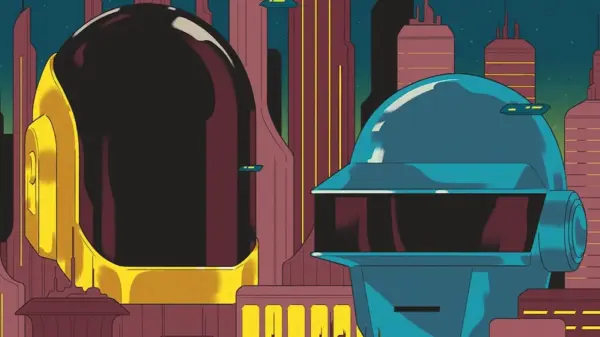
In the 2000s and 2010s, house music moved from underground clubs to global festival stages. Artists like Daft Punk bridged house with mainstream pop and electronic innovation, while producers such as David Guetta helped bring dance music to Top 40 radio worldwide. Yet even as commercial EDM surged, underground house scenes continued to thrive in cities like Berlin, London, New York, and Ibiza, preserving the genre’s original spirit.
Today, house music is both global and hyperlocal. From rooftop parties in Ibiza to warehouse collectives in Brooklyn, from Afro house rhythms in South Africa to melodic deep house in Europe, the genre continues to evolve while staying rooted in its foundational groove: a steady four-on-the-floor kick drum, a rolling bassline, and an irresistible sense of movement.
More than four decades later, house music remains a living culture rather than just a genre. It adapts, reinvents, and absorbs new influences without losing its core identity. What started in Chicago warehouses has become a universal language — one that still speaks of rhythm, community, and the simple power of dancing together in the dark.