
For a country of just 17 million people, the Netherlands has had an almost impossibly large influence on electronic music. From festival main stages and underground clubs to radio playlists and international charts, Dutch DJs and producers have helped shape how the world has danced for more than three decades.
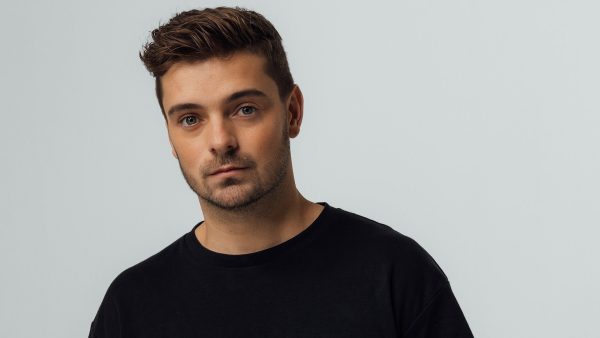
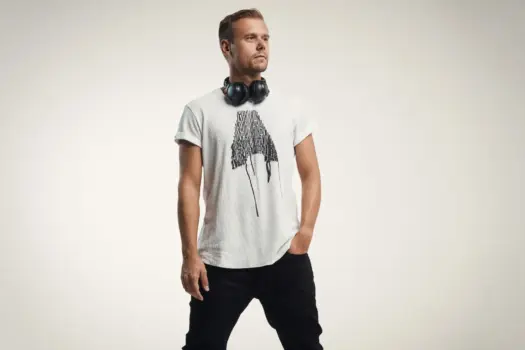
Tiësto, Armin van Buuren, Martin Garrix, Afrojack, Hardwell, Ferry Corsten and Nicky Romero are only a few of the internationally recognized artists to emerge from the country. Their success is not simply a coincidence or the result of several exceptional careers. It reflects a deeply connected music culture supported by clubs, festivals, record labels, radio stations, production schools and an audience that embraced electronic music long before it became a dominant global industry.
By the late 1990s, the country had become one of the world’s most important centers for trance. Artists including Tiësto, Armin van Buuren and Ferry Corsten brought melodic electronic music to increasingly larger audiences, transforming DJs from figures hidden inside club booths into internationally touring headline performers.
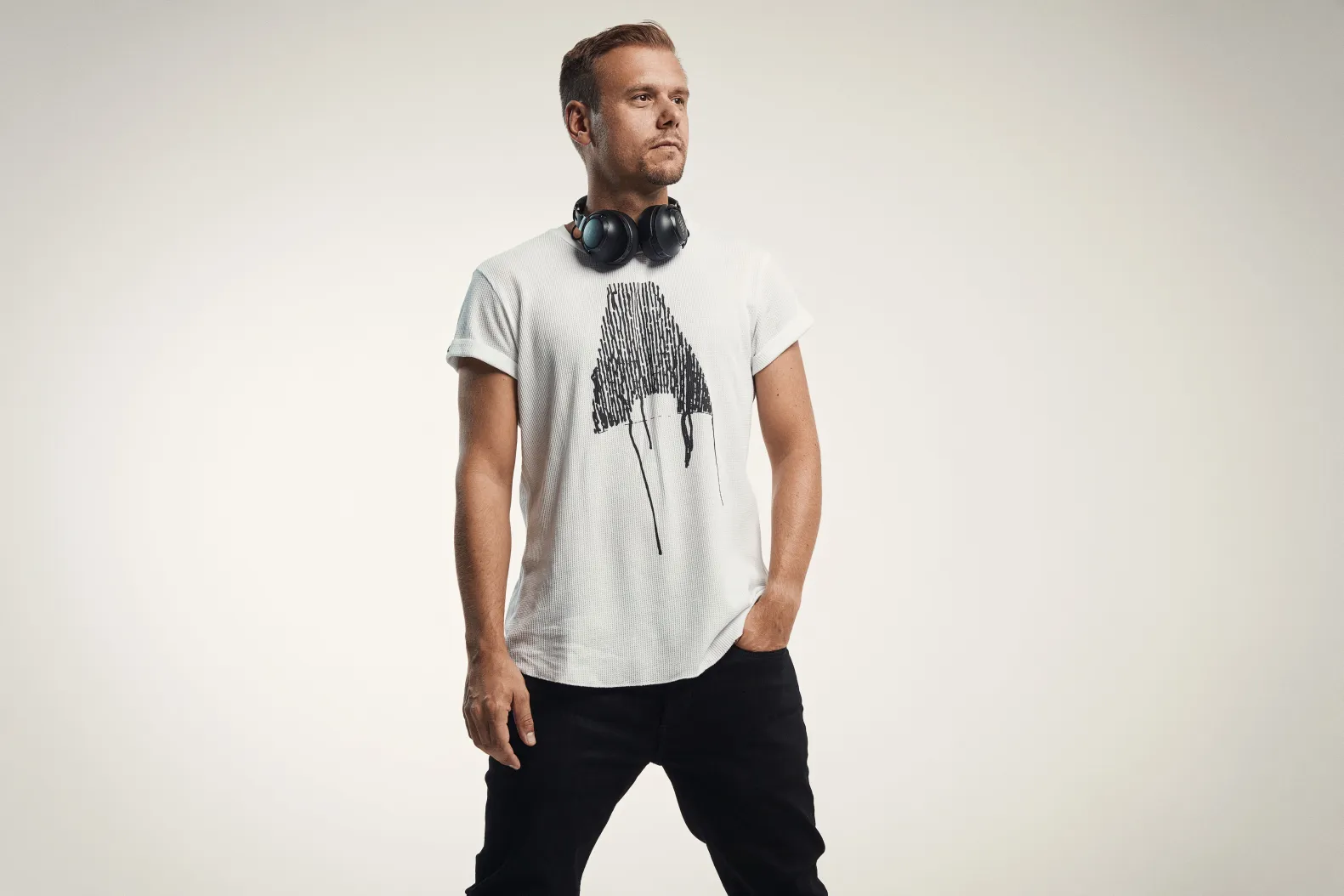
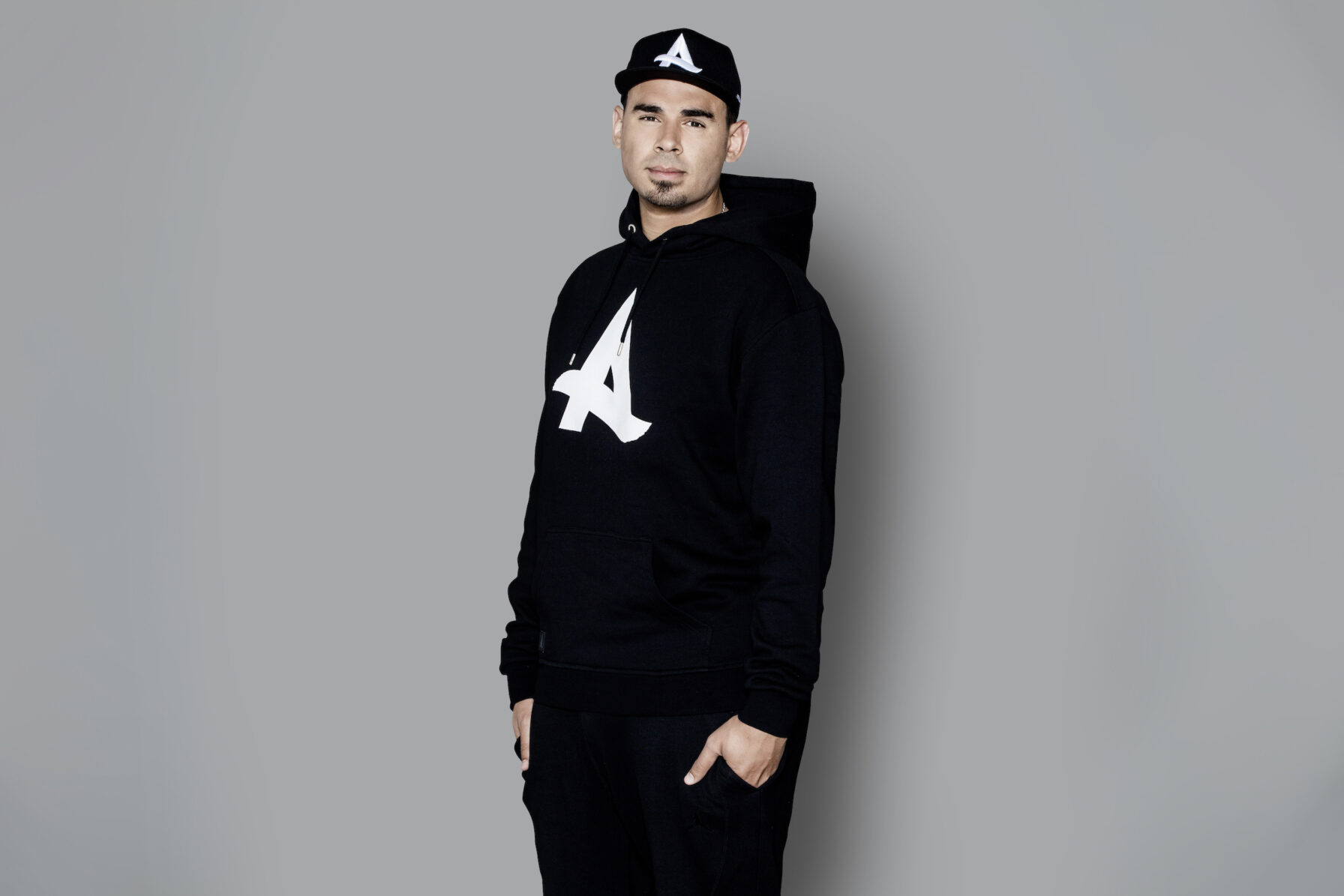
That foundation later helped create the conditions for another generation of Dutch artists. Afrojack and Nicky Romero became defining names during the explosion of electronic dance music in the United States, while Hardwell’s big-room sound filled arenas and festival grounds around the world. Martin Garrix then demonstrated just how quickly a young Dutch producer could move from a bedroom studio to the top of the international industry.

Garrix’s 2013 breakthrough “Animals,” for example, became a worldwide hit when he was still a teenager. His rapid rise reflected the strength of the Dutch music ecosystem around him: experienced managers, established labels, specialist media, production education and an international touring network already familiar with exporting Dutch talent.
The Netherlands also benefits from an unusually dense festival and nightlife landscape. Events such as Mysteryland, Awakenings, Defqon.1 and A State of Trance have provided artists with platforms to develop their identities in front of knowledgeable audiences. Dutch promoters have become global brands in their own right, exporting festivals and event concepts to destinations across Europe, Asia and the Americas.
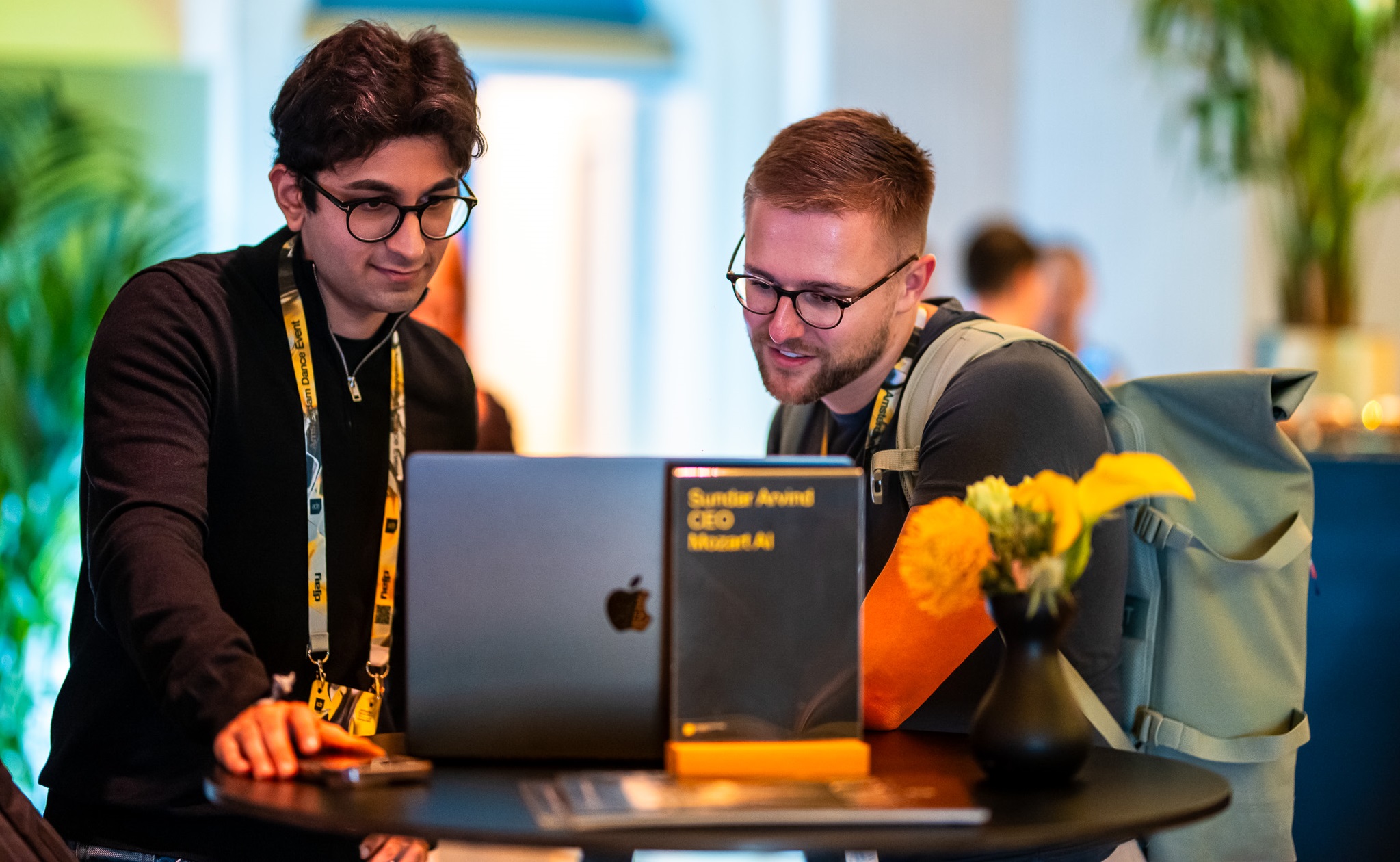
At the center of that ecosystem is Amsterdam Dance Event. Held every October, ADE transforms Amsterdam into the world’s largest gathering dedicated to electronic music and club culture. Hundreds of thousands of visitors, thousands of artists and representatives from nearly every corner of the industry converge on the city for conferences, showcases, panel discussions, networking events and performances.
During ADE, almost every part of Amsterdam becomes connected to electronic music. Major artists headline enormous venues, emerging producers perform intimate showcases, and industry leaders meet inside hotels, offices, cafés and temporary creative spaces. Record deals are discussed, collaborations begin and new technology is introduced, often within walking distance of the city’s historic canals.
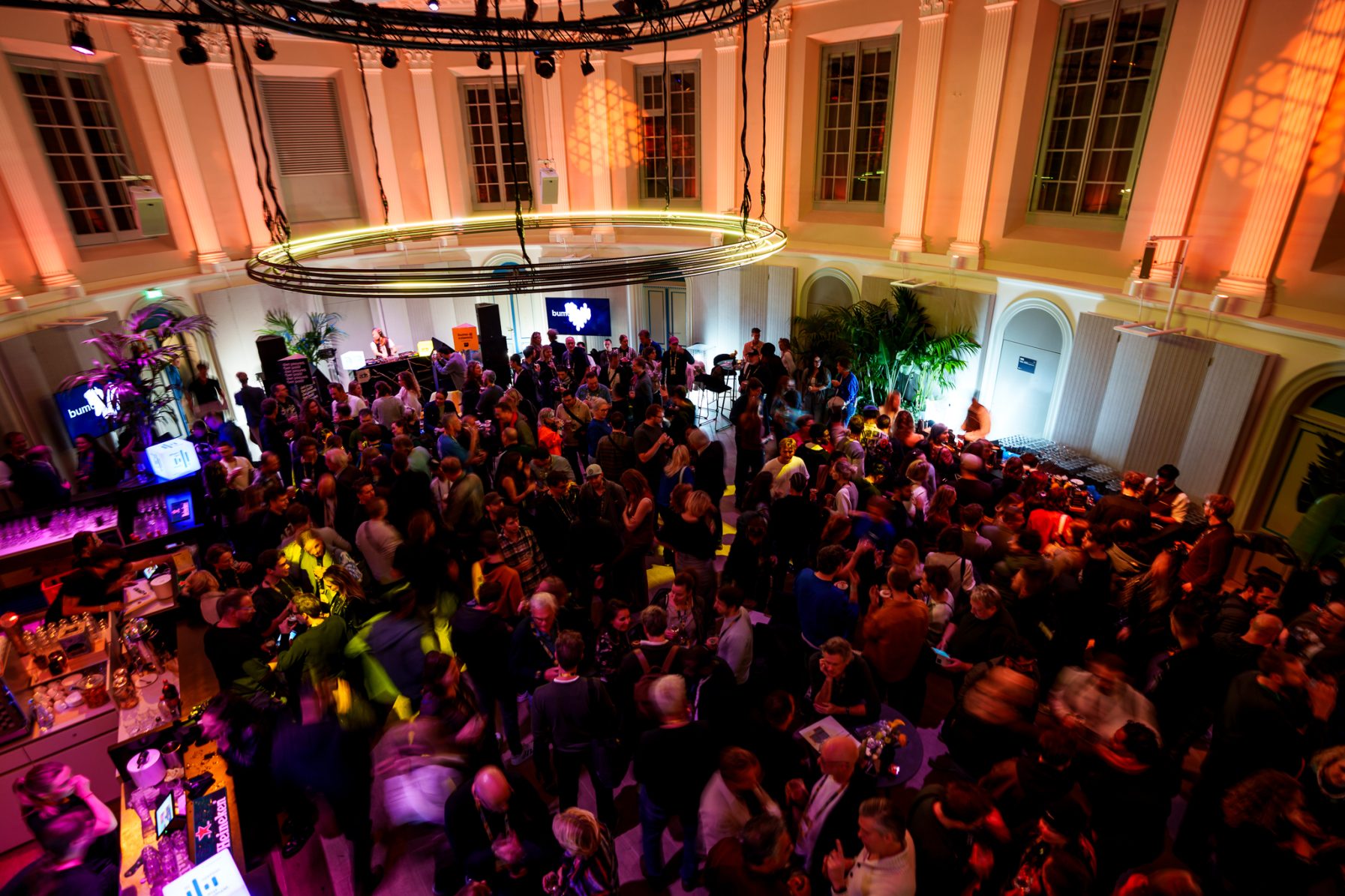
ADE’s importance goes far beyond its size. The event connects the artistic, cultural and commercial sides of electronic music in a way few other gatherings can match. It allows established artists to reconnect with the industry while giving new talent direct access to labels, promoters, managers, media outlets and technology companies.
Dutch dominance is also visible in the annual DJ Mag Top 100 DJs poll. While the ranking remains a popularity-based measure rather than a complete assessment of artistic influence, Dutch names have appeared near its summit with remarkable consistency. Tiësto, Armin van Buuren, Hardwell and Martin Garrix have each reached the number-one position, collectively representing numerous years at the top.

Perhaps most importantly, the Netherlands does not treat electronic music as a temporary trend. Dance music is woven into the country’s cultural identity. DJs can develop their skills through formal production programs, local events and youth-oriented platforms. Electronic music is heard at festivals, clubs, public celebrations and major national broadcasts. There is also a strong tradition of established artists, labels and promoters supporting the next generation.
The country’s compact geography may provide another advantage. Amsterdam, Rotterdam, Utrecht, The Hague and other creative centers are relatively close together, allowing ideas and talent to move easily between cities. Artists can build relationships, attend events and collaborate without facing the geographic barriers found in much larger countries.
The Dutch industry has also been exceptionally comfortable thinking internationally. Because the domestic market is comparatively small, artists and music companies frequently approach projects with global audiences in mind from the beginning. Tracks are produced for international dance floors, partnerships cross national borders and touring becomes an essential part of career development.

That does not mean the country’s influence is limited to commercial festival music. The Netherlands has produced significant talent across trance, techno, house, hardcore, hardstyle and experimental electronic music. From Rotterdam’s harder sounds to Amsterdam’s club and festival ecosystem, the scene continues to evolve while maintaining its global reach.
Many countries have made essential contributions to electronic music. The United States gave birth to house and techno, the United Kingdom transformed rave culture, Germany became a center for techno, and Ibiza created one of dance music’s most influential destinations. The Netherlands, however, developed an extraordinary ability to connect music, events, education and entrepreneurship—and then export the complete package worldwide.
Its success is ultimately the result of an ecosystem rather than a handful of superstar DJs. The artists may stand in the spotlight, but behind them is a culture that understands how electronic music is created, experienced and shared.
When the world wants to dance, there is an exceptionally good chance that the track, artist, label or festival concept has a Dutch connection. For more than three decades, the Netherlands has not merely participated in global electronic music. It has helped lead it.