
The international music conference circuit has become increasingly crowded. Events like SXSW, The Great Escape, Eurosonic Noorderslag, Reeperbahn Festival, and Primavera Pro all compete for attention with similar combinations of showcases, networking panels, and industry mixers. Over time, many of these events have started to blend together, becoming part of the same touring and networking cycle for artists and executives alike.
But Amsterdam Dance Event 2026 continues to stand apart. More than just another conference stop, ADE has evolved into the single most important operational hub for electronic music worldwide. While its festival side attracts headlines with more than a thousand artists performing across hundreds of venues, the real influence of ADE happens behind the scenes — inside conference rooms, networking lounges, production workshops, and business meetings where the future of electronic music is actively shaped
Unlike many music conferences that rely heavily on celebrity keynote speeches and influencer-driven panels, ADE’s programming focuses on the mechanics of the music business itself. Sessions dive into touring economics, label management, royalty systems, production techniques, mastering, and the evolving technology shaping music distribution. The people attending are not simply spectators hoping for inspiration; they are the operators who keep the global electronic music ecosystem running. Mid-level label executives, booking agents, engineers, artist managers, promoters, and independent label founders dominate the conversations.
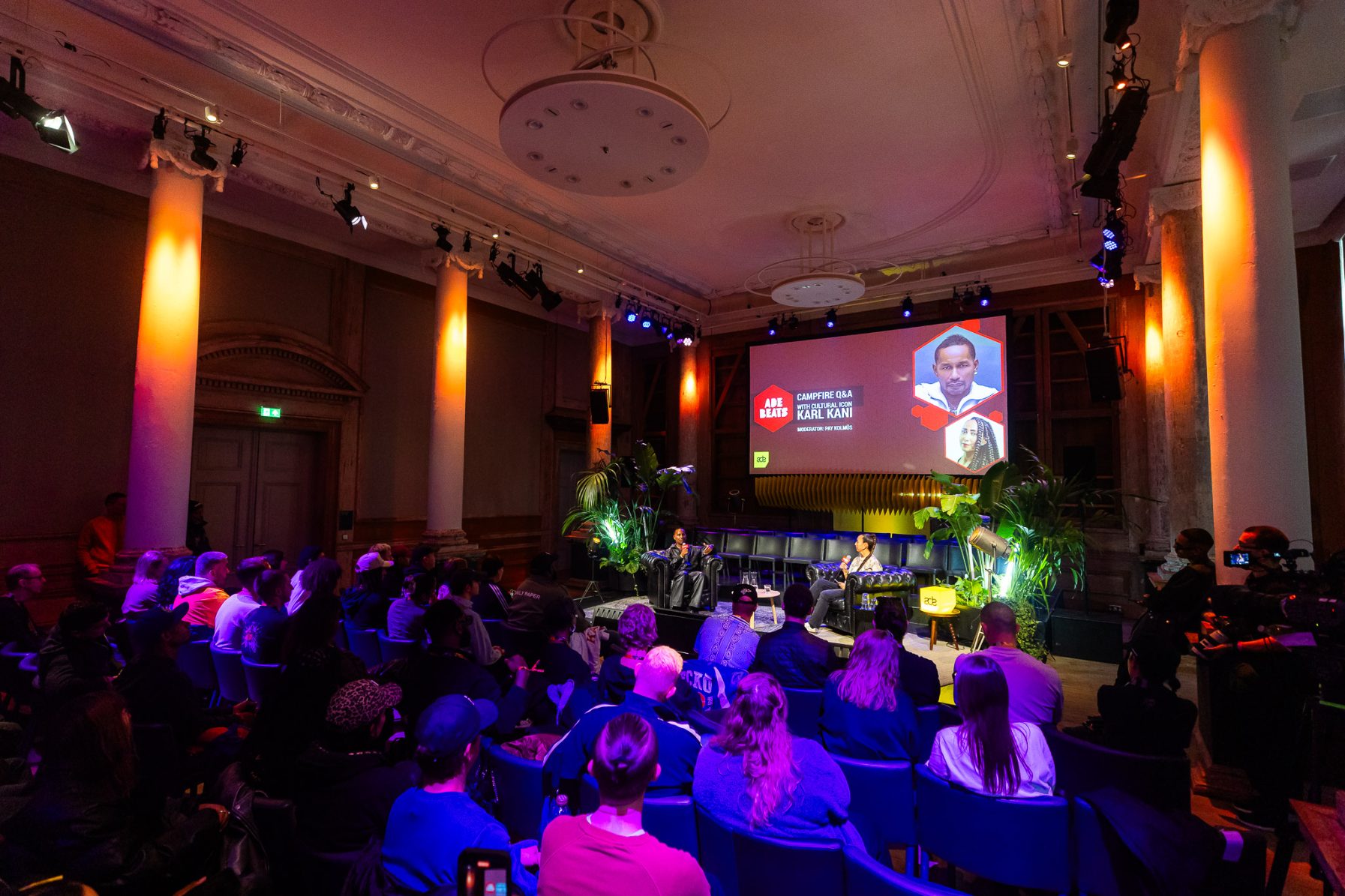
That distinction matters. Operator-heavy environments produce tangible outcomes. Deals get signed. Tours get booked. Collaborations begin. Artists meet labels, agencies discover talent, and producers form creative partnerships that often continue long after ADE ends. The event has earned a reputation as one of the few conferences where attendance consistently translates into measurable career momentum for working artists and music professionals.
Part of ADE’s enduring power comes from the deep-rooted infrastructure surrounding electronic music in the Netherlands. For decades, the country has invested heavily in club culture, artist development, venue support, and music education. It produced globally influential names like Tiësto, Armin van Buuren, Martin Garrix, Hardwell, Afrojack, Oliver Heldens, and Don Diablo, creating a talent density that few countries can rival. The Dutch electronic scene built not only artists, but also the surrounding industrial framework necessary to support a global dance music economy — from mastering studios optimized for club playback to booking agencies, labels, promoters, and radio networks that understood dance music long before the rest of the industry caught up.
The host city itself also plays a critical role. Amsterdam functions unusually well as a music capital because of practical infrastructure that supports nightlife at scale. The city offers an enormous venue density, accessible transportation, walkability, and an entertainment-friendly licensing environment. From intimate basement clubs to massive arenas like the Ziggo Dome, the city can sustain every level of performance simultaneously during ADE week. Visitors can move efficiently between meetings, showcases, afterparties, and networking events without the logistical friction found in many competing cities.
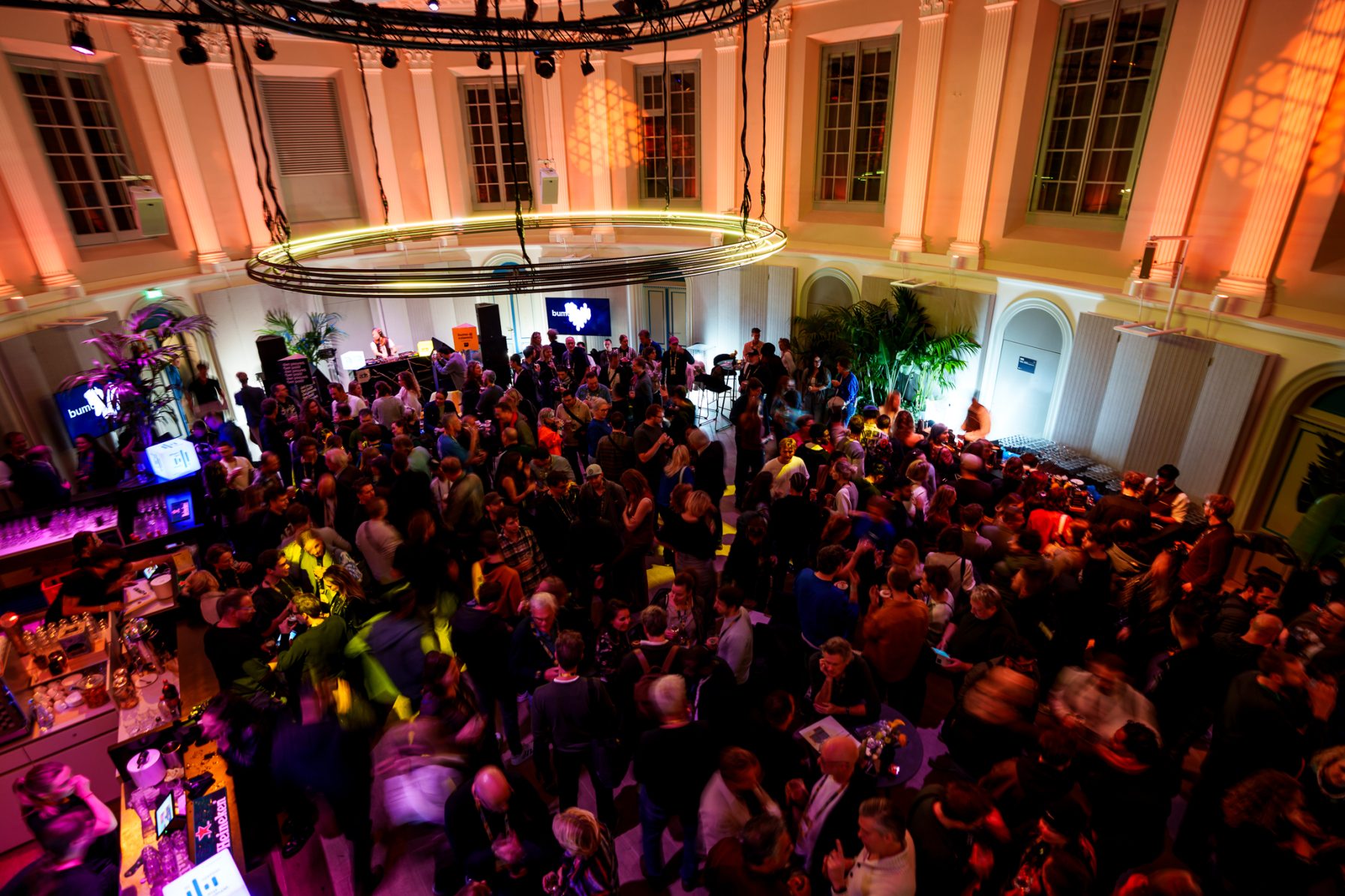
What also makes ADE increasingly important is its evolution beyond pure EDM. Recent editions have expanded into conversations surrounding AI music tools, gaming crossovers, live electronic performance, and broader digital entertainment industries. Rather than remaining trapped inside a narrow genre definition, ADE is gradually positioning itself as the central conference for the future of digital music culture as a whole.
Despite that expansion, ADE has largely avoided losing its identity. Publications like Resident Advisor and other electronic music media outlets have closely followed this evolution, noting that ADE continues to maintain its deep-rooted connection to electronic music culture while intelligently broadening its scope. That balance is difficult, and few conferences have managed it successfully.
Ultimately, ADE succeeds because it prioritizes substance over spectacle. While other conferences chase viral moments, celebrity appearances, or trend-driven branding, ADE remains grounded in the actual mechanics of how music careers, labels, tours, and creative ecosystems function. It is not simply a place where the music industry gathers. It is where much of the electronic music industry quietly operates in real time.
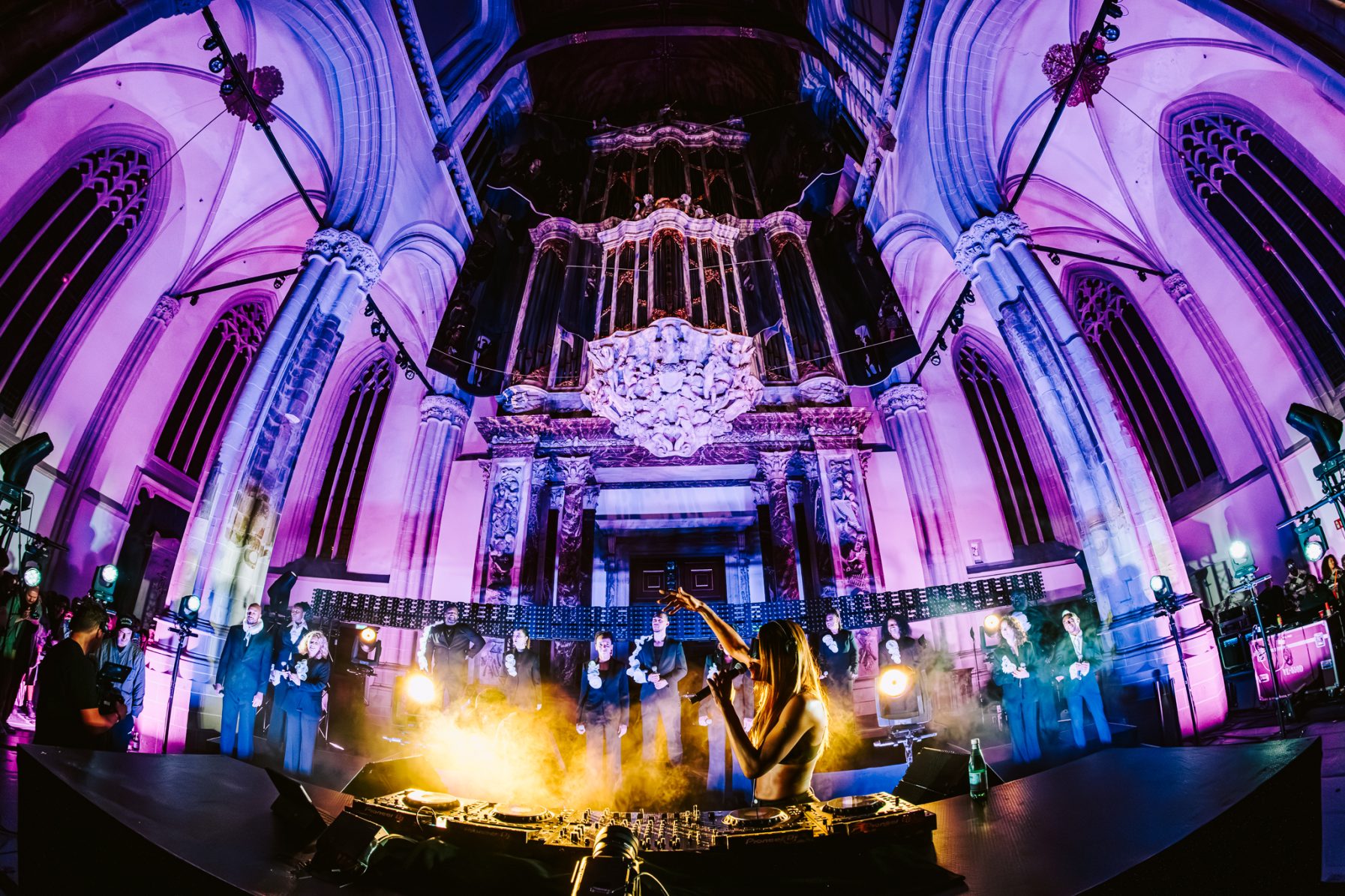
For artists, executives, promoters, and entrepreneurs trying to understand where electronic music is headed next, Amsterdam Dance Event 2026 has become impossible to ignore. While many music conferences have flattened into interchangeable stops on the global industry calendar, ADE continues to feel essential. And increasingly, the rest of the music world is starting to recognize why.