
Behind Dubai’s global festivals, luxury clubs and headline-driven line-ups, a quieter electronic ecosystem is taking form: built by artists, collectives and venues that prioritise sound, intention and cultural continuity over spectacle.
Dubai is often described through its superlatives: scale, ambition, production value. In electronic music, this image has been reinforced by high-profile venues, international residencies and large-format events that position the city as a key stop on the global touring circuit. Yet, parallel to this mainstream infrastructure, another scene is being constructed: one that operates through trust, curation and long-term vision rather than mass visibility.
On the surface, Dubai’s electronic music landscape is dominated by established clubs and large-scale productions. Venues such as Soho Garden, WHITE Dubai, Terra Solis and the recently launched Ushuaïa Dubai Harbour Experience anchor the city’s mainstream circuit, regularly hosting global headliners and destination-driven events. Festivals like Untold Dubai and branded showcases linked to luxury hospitality groups further reinforce Dubai’s role within the international clubbing economy. Recently the International Music Summit (IMS) also hosted the second Dubai Edition of its original event in Ibiza, confirming Dubai as a global destination for dance music. Defected Records, ANTS, Tomorrowland and Ministry of Sound also hold activities there.
At the same time, a different movement is unfolding beneath this highly visible layer. Smaller rooms, list-driven nights, artist-led concepts and independent collectives are carving out space for electronic music experiences centred on sound quality, musical narrative and community continuity. Rather than competing with the mainstream, these initiatives operate in parallel: addressing audiences looking for depth, intimacy and cultural coherence.
One of the clearest examples of this shift is Reunion Club Room, a project by Factory People originally founded in Beirut. Conceived as a music-first cultural space, Reunion was brought to Dubai not as a replica, but as a translation of its original ethos. Its emphasis on acoustic design, high-fidelity sound and a list-only entry model positions it as an intentional counterpoint to spectacle-driven nightlife. Within Dubai’s context, “underground” here is not about rebellion, but about curatorial discipline: prioritising the experience over visibility.
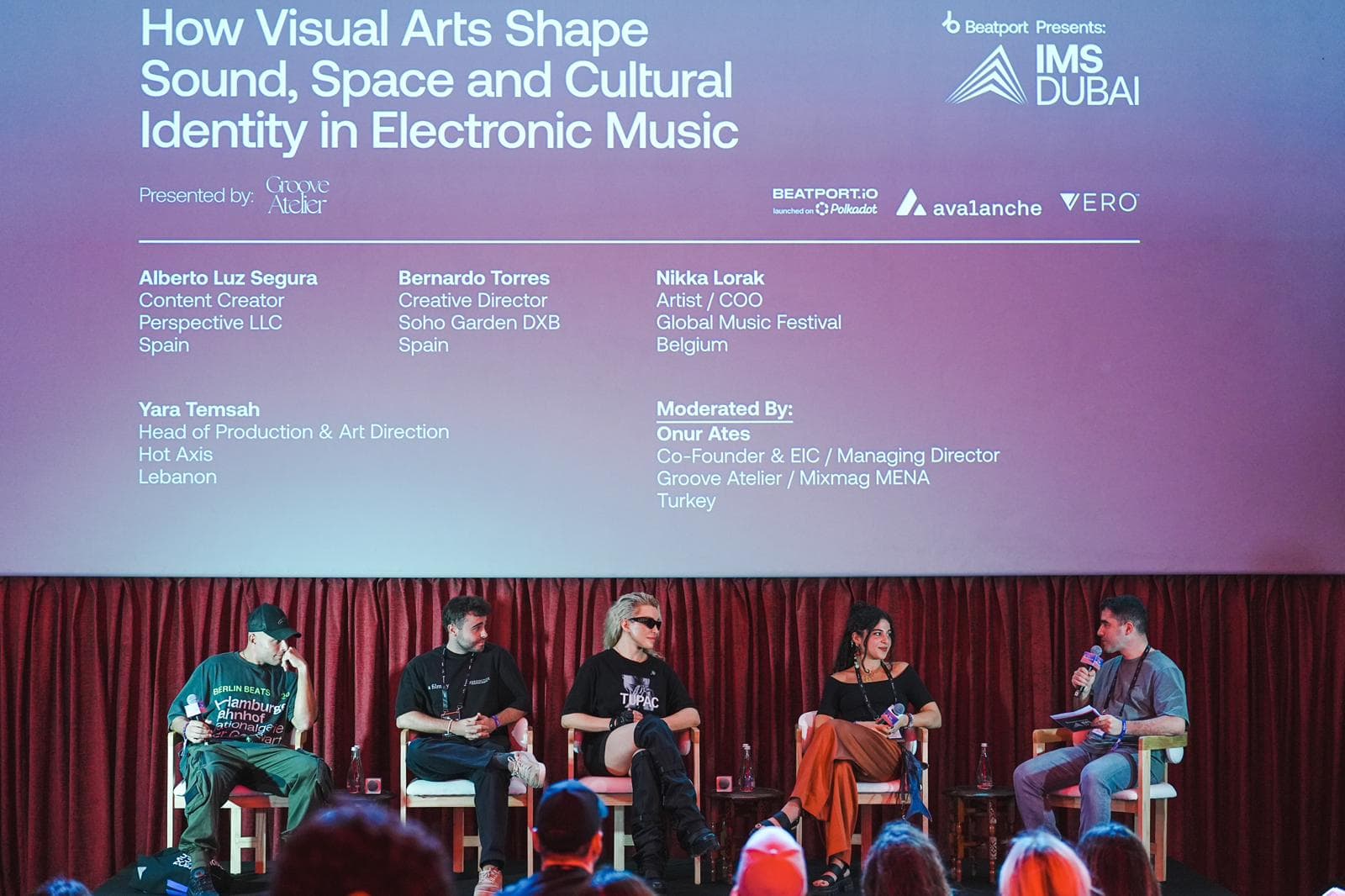
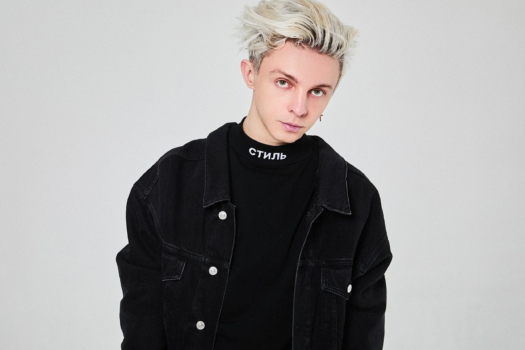
At the centre of these conversations is Nikka Lorak, an international artist with a strong presence in Dubai, recently invited as a guest speaker at IMS Dubai, and one of the voices articulating how the city’s underground is defined today. From the artist’s perspective, this ecosystem is defined by discretion and trust. According to Nikka Lorak, Dubai’s underground exists in carefully nurtured pockets, built by promoters and venues that value listening over performance. Rather than pushing constant innovation for its own sake, experimentation happens subtly, through long-form storytelling, refined pacing and long-term audience development. For artists with a clear identity, the city offers a rare opportunity: to grow alongside a scene still in formation, rather than enter one already saturated by historical expectations.
This balance between freedom and limitation is also evident in the experience of resident and touring DJs working locally. The city’s rapid evolution: from hip-hop dominance to electronic music prominence within a few years: creates room for stylistic shifts, but also demands strategic thinking. Costs, regulations and curation standards raise the threshold for entry, making consistency, positioning and relationship-building essential. In this environment, the underground is sustained less by volume and more by commitment.
To understand how this alternative layer is forming, Nazen Carneiro spoke with four actors of this scene directly involved in shaping it from within: Reunion Club Room, a venue born from Beirut’s underground culture, two DJs navigating the city’s evolving ecosystem – Nikka Lorak and Kidy – and a collective committed to building community-first electronic experiences named Sixth Sense as well as Bernardo Torres, the Artistic and Creative Director of the Groove Atelier. Enjoy the reading.
Reunion Club Room is a Beirut-born cultural space, Reunion brings an underground ethos focused on sound quality, acoustic precision and community-driven curation, filling a gap for intimate, music-led experiences in the city.
What was the original vision behind bringing Reunion from Beirut to Dubai?
REUNION: Club Room by Factory People: Reunion was born in Beirut as a response to a very specific need: a space where music, sound quality, and community came before spectacle. When we decided to bring it to Dubai, the intention was not to replicate Beirut, but to translate its spirit. Dubai is an incredibly global city, yet alternative, music-led spaces remain limited. Reunion was envisioned as a bridge between cities-carrying Beirut’s underground DNA while adapting to Dubai’s cultural energy and diversity.
How do you define “underground” within the context of Dubai’s nightlife landscape?
In Dubai, “underground” isn’t about being hidden or rebellious-it’s about intention. It’s about prioritizing music over trends, community over mass appeal, and experience over excess. Underground here means curated programming, high artistic standards, and a crowd that comes for the sound, not the spotlight.
Why was sound quality and acoustic design positioned as a central pillar of the club’s identity?
Sound is the soul of Reunion. We believe that music deserves to be experienced as the artist intended-clear, warm, immersive, and physically felt. In many nightlife venues, sound is treated as an afterthought; at Reunion, it was the starting point. Collaborating with 21dB allowed us to build a space where acoustics shape the emotion of the night, creating deeper engagement between the music and the audience.
How does the list-only model contribute to community building and cultural curation?
The list-only model protects the ecosystem. It allows Reunion to grow organically through word of mouth, ensuring that the audience shares a common respect for the music and the space. This approach fosters familiarity, trust, and continuity-turning guests into a community rather than a revolving crowd.
What gap in the city’s nightlife did Reunion aim to fill?
Reunion addresses the lack of intimate, sound-driven venues dedicated to alternative electronic and live music cultures. It offers a space for discovery-where emerging artists, producers, and music lovers can connect in a setting that values authenticity over scale.
How do you see venues like Reunion influencing the next phase of Dubai’s alternative scene?
Venues like Reunion help normalize depth in nightlife. They show that Dubai’s audience is ready for nuanced programming, serious sound, and culturally driven experiences. As more spaces adopt this mindset, we believe the city’s alternative scene will evolve from being niche to becoming an essential part of Dubai’s cultural identity.
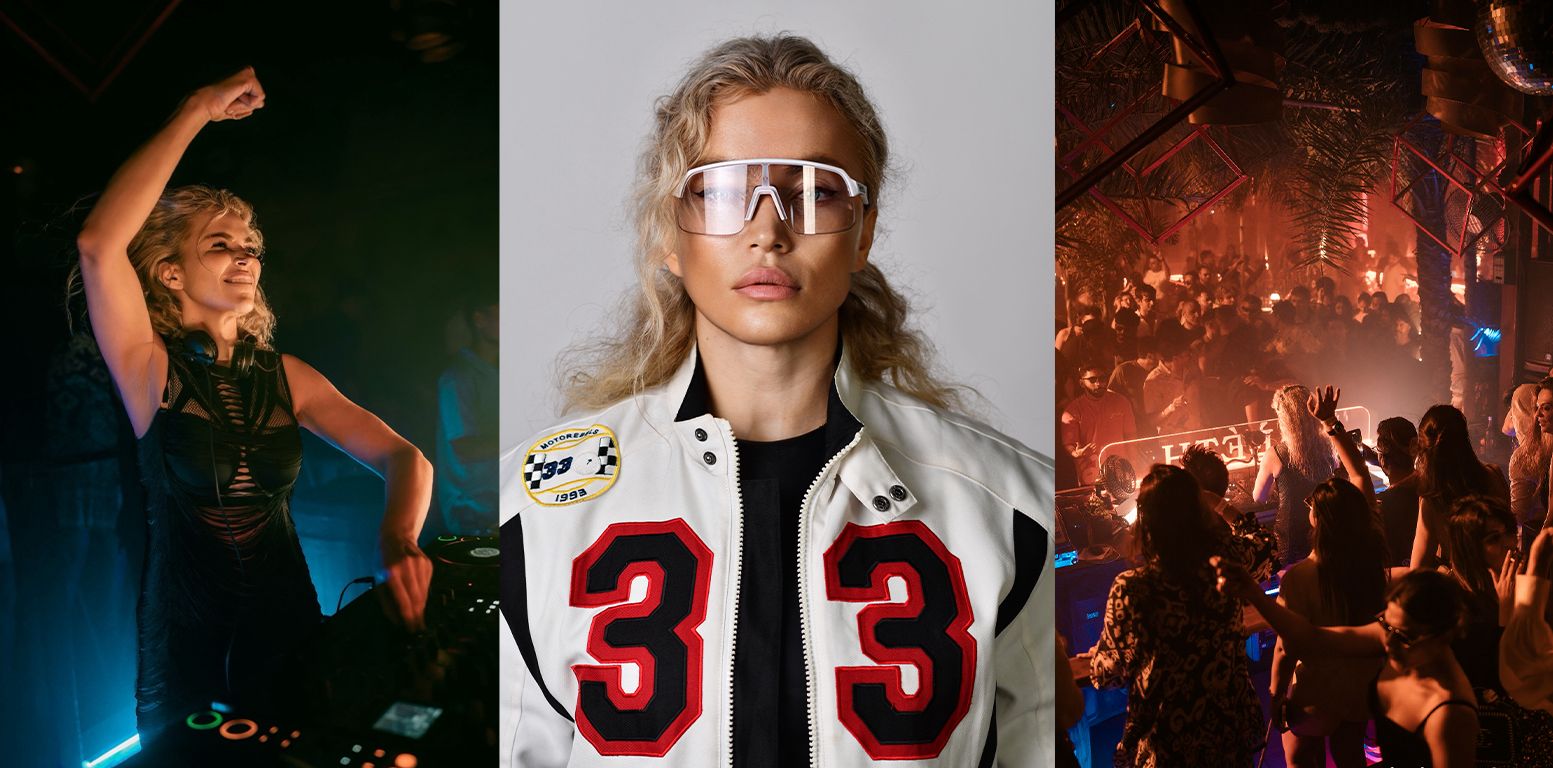
Nikka Lorak is an international DJ and music producer with a strong presence in Dubai. The artist operates at the intersection of cinematic storytelling and club culture. Her role as both artist and IMS Dubai speaker positions her as a key observer and contributor to the city’s evolving underground identity
How would you describe your artistic identity, and how has Dubai influenced your sound or creative direction?
Nikka Lorak: My artistic identity sits at the intersection of cinematic storytelling and club energy. I come from film and fashion, so I naturally think in narratives, tension, and visual atmospheres, not just tracks. Dubai has influenced me less sonically and more structurally. It’s a city of scale and precision, which pushed me to refine my sound, strip away excess, and be very intentional. The contrast between its polished surface and t
What defines the underground scene in Dubai from an artist’s perspective?
Dubai’s underground isn’t loud or chaotic. It’s discreet, intentional, and community-driven. It exists in pockets, often built by people who genuinely care about sound rather than spectacle. From an artist’s perspective, it’s defined by trust: between promoters, artists, and crowds who are there to listen.
As a producer and DJ, what structural limitations or opportunities exist in the local market?
The main limitation is that the ecosystem is still young, so risk is approached cautiously. But that’s also the opportunity. There’s room to shape identity, to influence taste, and to build something with longevity rather than repeating established formulas.
How do you balance personal artistic expression with the realities of playing in a highly curated city like Dubai?
I listen first. Dubai is highly curated, which means you need to understand context without compromising your core. I adapt the entry points of my sets – pacing, energy, atmosphere – but I never dilute the narrative. Balance comes from clarity, not compromise.
Do you feel there is space for experimentation and risk within the current scene?
Yes, but it’s subtle. Experimentation in Dubai isn’t about shock value; it’s about depth. The artists who succeed are the ones who push boundaries quietly and consistently.
Looking ahead, what role do you believe artists should play in shaping Dubai’s underground future?
Artists need to act as architects, not just performers. That means nurturing audiences, supporting promoters who take risks, and building identity rather than chasing trends. Dubai’s underground future will be shaped by artists who understand both culture and responsibility.
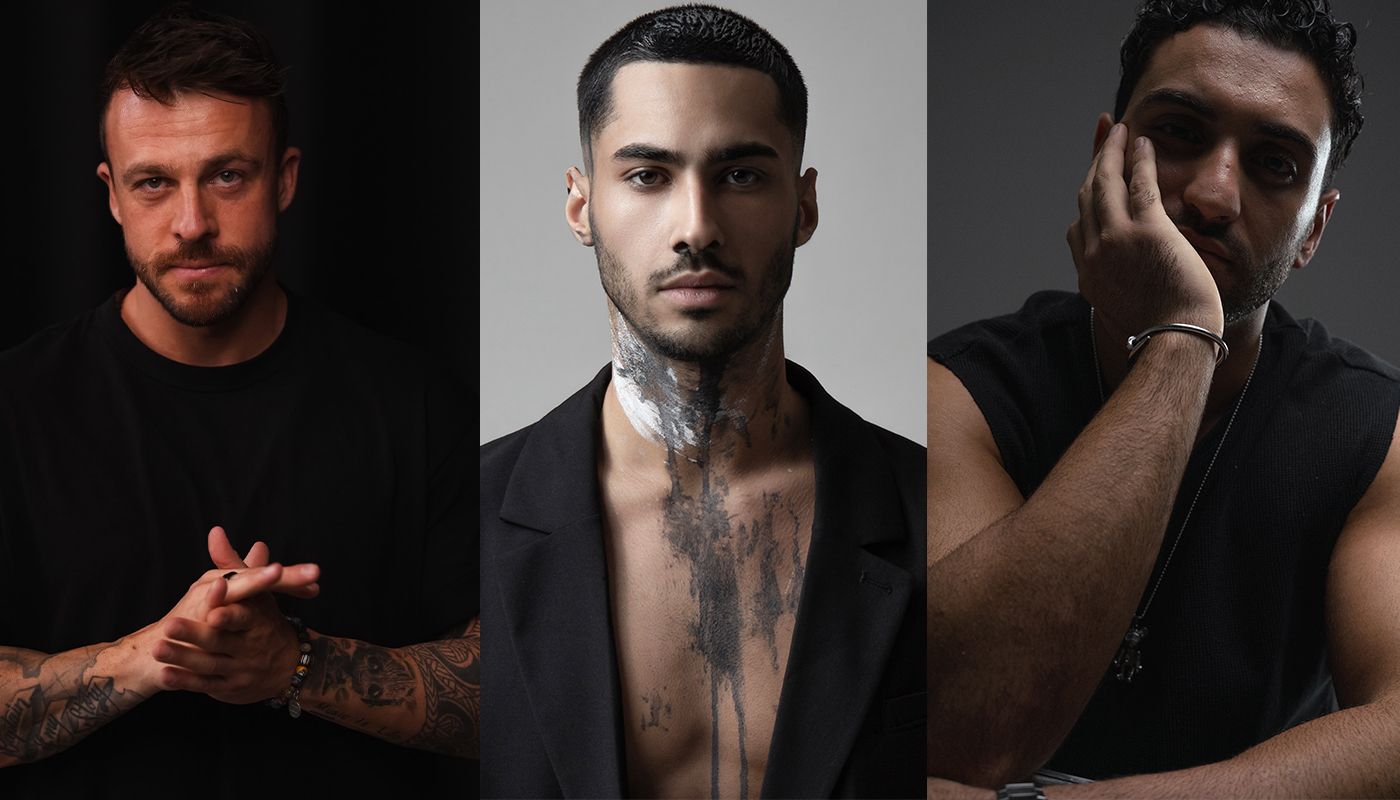
Founded in 2025, Sixth Sense is a collective and cultural platform focused on emotionally driven electronic music experiences. By prioritising openness, inclusivity and narrative-led curation, the group exemplifies how community can be built in a transient, multicultural city.
How did Sixth Sense emerge, and what gap were you aiming to address?
Sixth Sense: Our collective emerged in early 2025 from the feeling that something was missing in Dubai’s nightlife. While the city offers world-class venues, much of the scene felt overly structured and disconnected from the essence of club culture. We wanted to create emotionally driven electronic experiences that prioritize connection over spectacle.
How would you define your curatorial identity musically and visually?
Our identity is rooted in freedom and intention. Musically, we focus on Melodic Techno, Progressive House, Deep Tech, and Tech House without rigid genre boundaries. Visually, we keep things understated, using light, space, and sound to support the music rather than distract from it.
What does “community” mean in a transient city like Dubai?
Community here is about shared moments, not permanence. We create inclusive spaces where people connect through music rather than status. When people feel respected and free, community forms naturally-even if only for one night.
What challenges come with operating outside the mainstream nightlife circuit?
It requires patience. Choosing not to follow dominant trends means navigating expectations that prioritize commercial certainty over artistic risk. Staying independent allows us to protect the integrity of the concept and grow sustainably.
Who sustains the underground scene in Dubai today?
A small but dedicated group of artists, promoters, venues, and listeners who show up consistently for the music, not the hype. Without this collective commitment, the underground wouldn’t exist.
What still needs to change for long-term impact and autonomy?
There needs to be more trust in artistic direction, more collaboration, and less competition. Long-term impact comes when culture is given space to define itself rather than being forced into short-term frameworks.
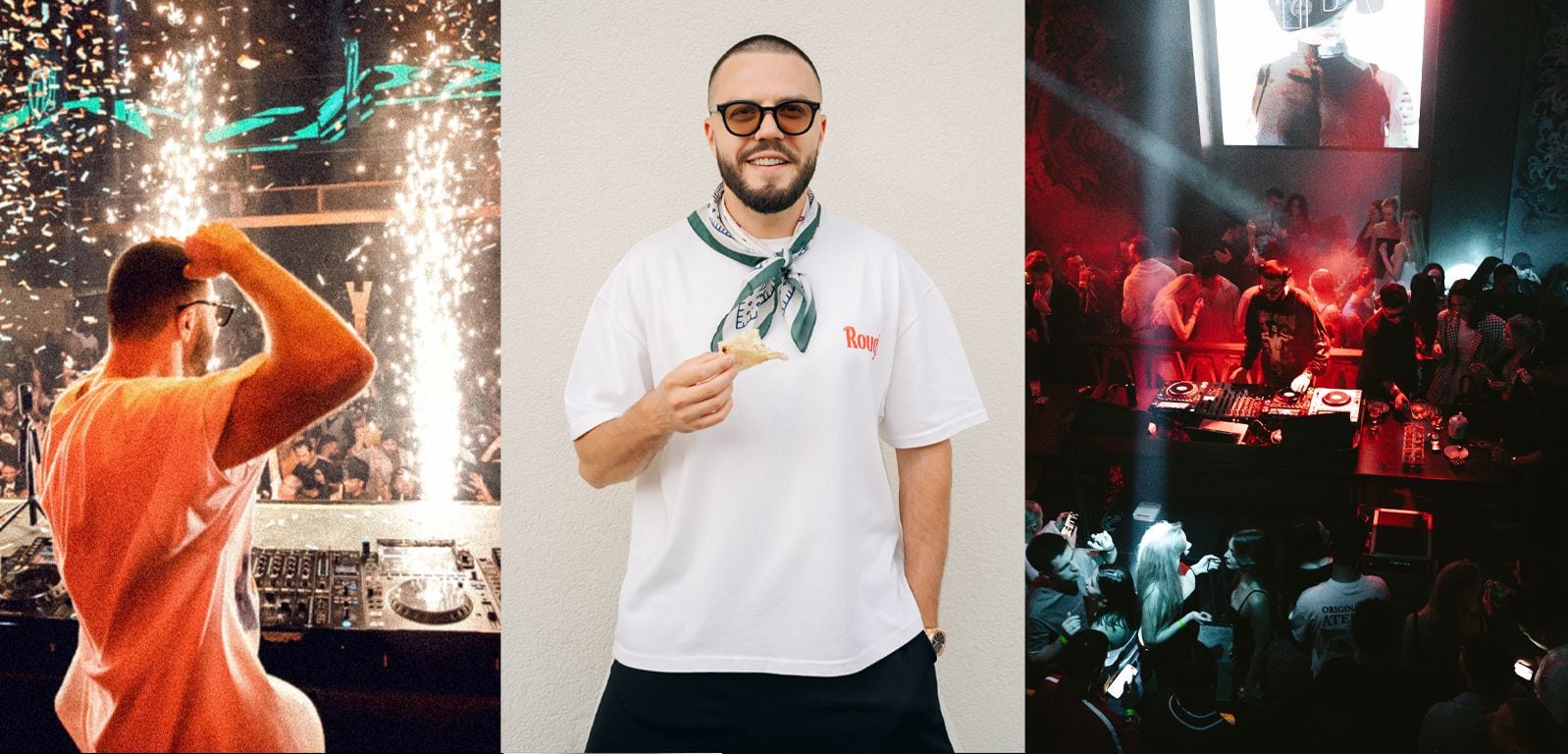
Kidy has over two decades of experience and deep involvement in Dubai’s club circuit. The artist mix local residency culture and global touring, highlighting the importance of long-term audience education and professional discipline.
How has Dubai influenced your development as an artist beyond DJing?
KIDY: Dubai pushed me to think beyond simply being “a DJ.” Here, you are either a background DJ or a real artist. The city is multicultural, extremely fast-paced, and this has shaped my broader understanding of the global music scene. World-class artists are constantly performing here, which allows you to experience their energy firsthand and understand what makes them global.
How would you describe your approach to the dancefloor?
I love drive and energy. I love it when the dancefloor is boiling. I’m not afraid to use popular tracks and acapellas during my sets to excite people as much as possible.
What is the difference between being a resident and a guest DJ?
A resident understands the crowd much better because they live with it week after week. A resident creates the vibe and can shape or educate the audience’s musical taste. A guest brings contrast and a unique energy, adding variety for the crowd.
What do international bookings represent for your career?
They bring recognition and respect within the industry. I can also share the local Dubai vibe abroad and bring new influences back from other countries.
How do you assess the current stage of Dubai’s electronic music scene?
Dubai is still very young and flexible. It moved quickly from being dominated by hip-hop parties to electronic music. There is less history, but more freedom to experiment. That freedom, however, is limited by local rules, laws, and high production costs.
What is still missing for sustainable growth in the local scene?
Discipline and long-term thinking. DJing is a business. There is ambition, but a lack of structure: brand development, communication skills, relationship building, and patience. Sustainable growth starts with positioning and consistency.
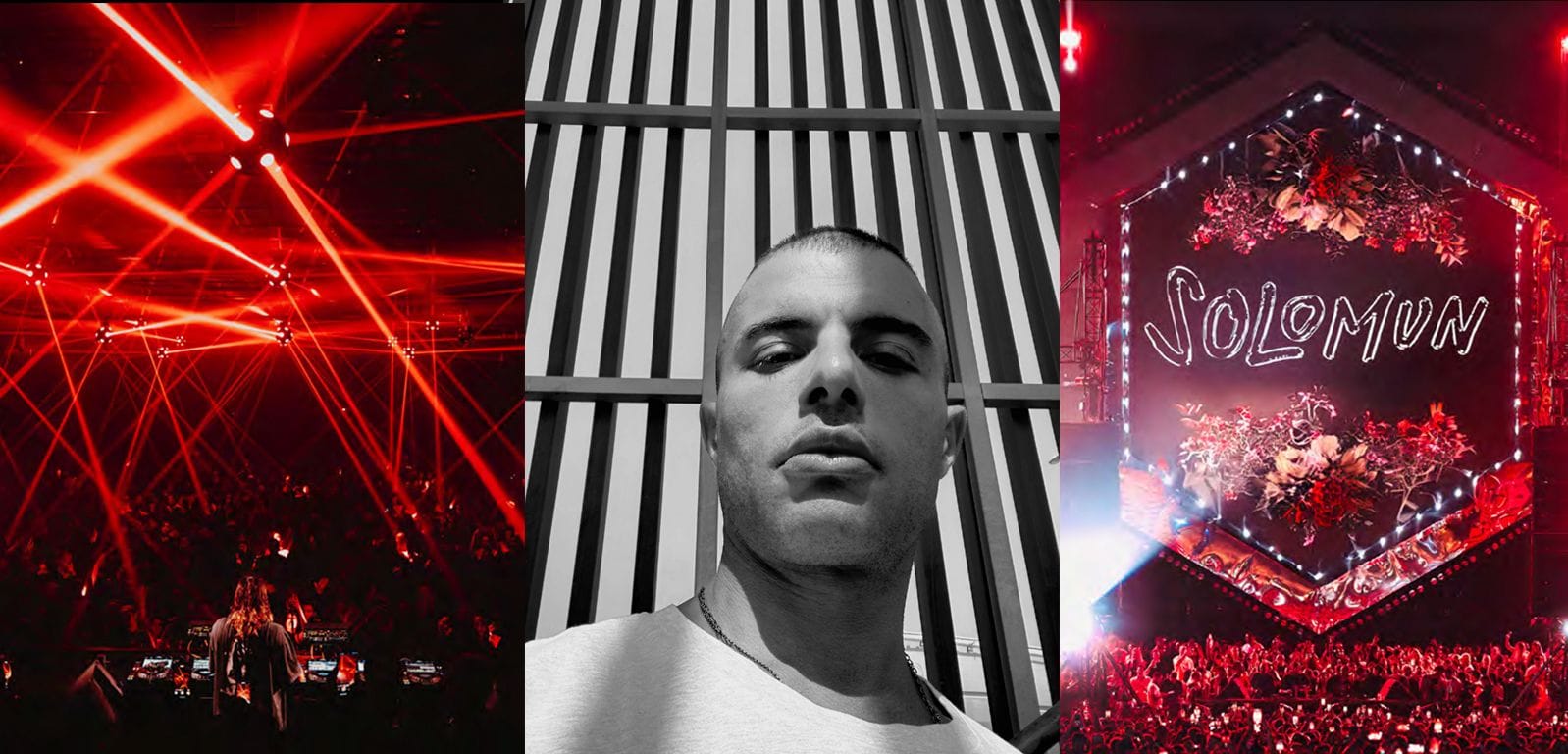
Bernardo Torres is Artistic and Creative Director of the Groove Atelier. A multidisciplinary artist working between the UAE and Europe. Based in Dubai, he brings extensive experience in art direction, set and concept design, and event production across luxury hospitality, nightlife, and cultural projects. His portfolio includes collaborations with globally recognised venues and brands in Dubai and Ibiza, shaping visual identities and immersive experiences.
How did your background in Fine Arts lead you into nightlife, experiential design and cultural production?
Well, I had the change to work as very young as a bar tender in Mallorca for the known clubs there that time to be able to make some money to pay my studies. In a later state, to continue my studies there I moved to BCN were I had the change to work for Discotheque it was the most famous club in the city. We were having as a residents DJ like Francesco Farfa, Tania Vulcano ( dc-10), Silicon Soul and guest DJ like Jeff Mills, Danny Tenaglia, Eric Morillo. I had the opportunity to become an entertainment manager of that club. In that time Barcelona and Ibiza were having a strong connection as all the staff, DJ, they were traveling for the season to the Island. My manager in that time he offered me to travelled one night to work in Pacha ibiza, this was earlier 2003, I felt in love from the island in that moment. Back in the years I bacame artistic manager in space ibiza for several parties that the club was producing in house. Till one day I received an offer to come to Middle East in 2012, to work as a creative director of one of the first clubs in Dxb. Since earlier years as consider myself a clubber, I live music, design and art, so I blend all this in my productions. Personally I didn’t have any formation, everything that I know it was a legacy of several mentors that they taught and they allow me to work with them, on a different disciplines as costume design, stage design and lighting between others. I’m learning still learning
How do you define “underground” in a city often associated with luxury and spectacle? What role does visual and spatial design play in shaping how electronic music is experienced?
Dubai is changing a lot !!! I’m working since 16 years here in the club scene, let’s say that we booked all kind of artist from the electronic music scene . I think Dubai right now is starting to have an underground scene that is escaping of the mainstream system. The most important factor for the underground scene is to know and understand how to create a safe space for the community in order to enjoy fully the event, without any kind of restriction or social separation.
What needs to happen for Dubai to be recognised globally as a cultural reference point, not just a destination?
As I’ve mentioned Dubai is growing very quick and renovating and improving the nightlife and experience, creating new spaces / venues and clubs, this allowed me to propose and create new productions that for that venues that simply in ibiza for infrastructure inside the clubs there I weren’t be able to made.
I think both markets blended as we can see today the biggest players from the island are here coexisting with the local market.
Ibiza since few years also changed a lot in terms of turns and nightlife offer.
I think Dubai right now is on the map and is considered a point for nightlife and entertainment globally, and I’m happy and thankful to be part of it.
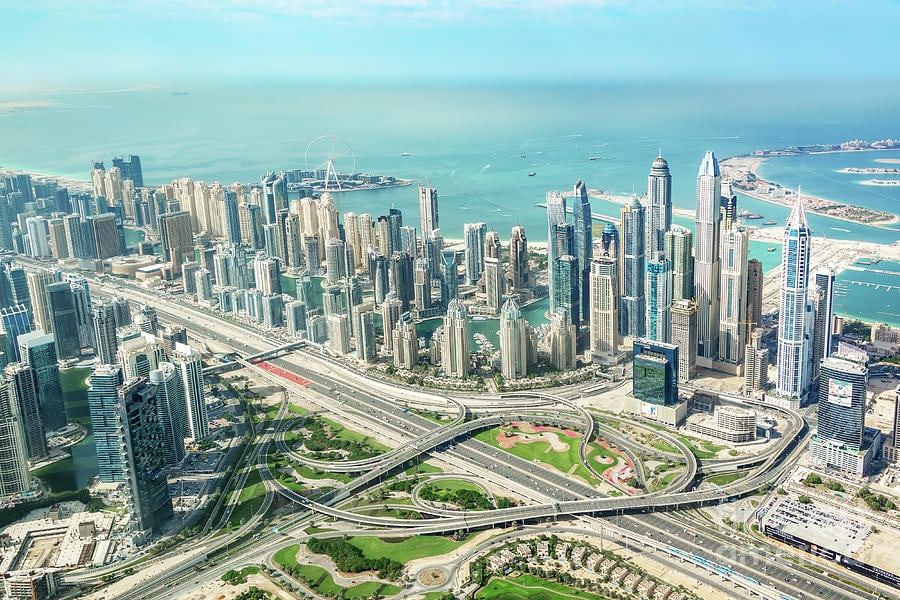
Dubai’s electronic music narrative is no longer defined solely by scale or international visibility. As these conversations reveal, an underground scene is taking shape through intention, patience and collective responsibility. Driven by artists, collectives and venues committed to cultural value over immediacy, this parallel ecosystem suggests that Dubai’s future in electronic music will be written not only on its biggest stages, but also in its most carefully curated rooms.