
Some songs are simply timeless. Every so often, an artist comes along and introduces a beloved classic to an entirely new generation, and that’s exactly what Jonas Blue accomplished with “Fast Car.”
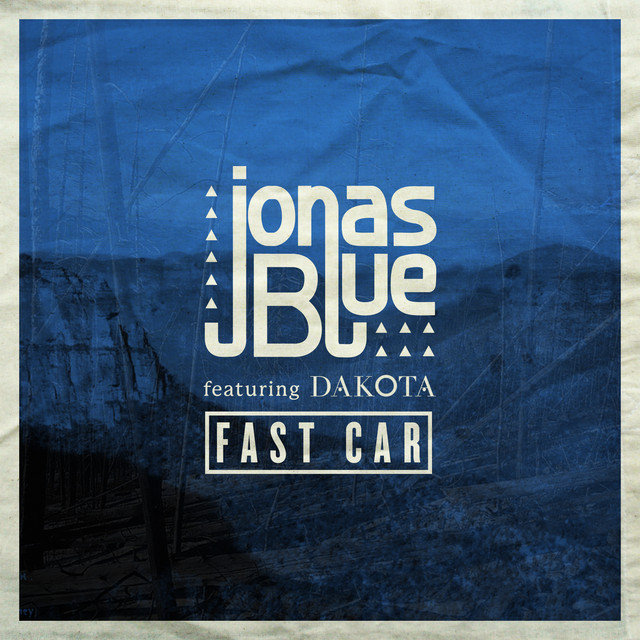
Released in 2015 and becoming a worldwide phenomenon throughout 2016, Jonas Blue’s reimagining of Tracy Chapman’s iconic 1988 hit arrived at the perfect moment. Dance music was dominating radio, streaming services were reshaping how people discovered music, and audiences were embracing songs that blended emotional storytelling with uplifting electronic production.
Rather than completely reinventing the original, Jonas Blue took a remarkably respectful approach. He preserved the heart and soul of Chapman’s songwriting while wrapping it in warm tropical house melodies, sun-soaked piano chords, and a laid-back groove that felt tailor-made for summer. The addition of vocals from Dakota gave the track a fresh identity while maintaining the emotional weight that made the original so powerful.
The result was an instant success. “Fast Car” climbed charts around the world, reaching the Top 10 in numerous countries and becoming one of the defining dance records of the mid-2010s. For many younger listeners, it served as an introduction to Tracy Chapman’s songwriting. For longtime fans, it was proof that a great song can transcend generations and genres.
More importantly, “Fast Car” helped establish Jonas Blue as one of dance music’s most successful crossover artists. At a time when tropical house was exploding globally, the London producer found a formula that connected with both mainstream audiences and dance music fans alike. The success of the track opened the door for a string of future hits, but it remains the record most closely associated with his rise.
Ten years later, “Fast Car” still feels as fresh as it did when it first arrived. Whether heard on a summer playlist, during a road trip, or on a festival stage, the song captures a feeling of freedom, optimism, and escape that few dance records manage to achieve.
For this week’s Friday Flashback, we’re revisiting a track that proved sometimes the fastest route to creating a modern classic is honoring the one that came before it.