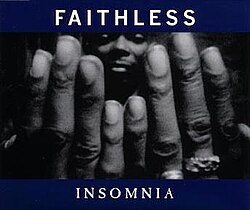
Few electronic dance tracks have managed to capture the feeling of late-night restlessness quite like Insomnia. Released in 1995 by British electronic trio Faithless, the record evolved from an underground club weapon into one of the most recognizable dance anthems of all time.
Built around a hypnotic groove, haunting synth work, and the unmistakable spoken-word delivery of Maxi Jazz, “Insomnia” immediately stood apart from the wave of dance tracks dominating the mid-90s. Instead of relying on sugary hooks or pop crossover vocals, the track leaned into atmosphere and tension, creating something darker, deeper, and more emotionally charged.
At the center of the record is Maxi Jazz’s iconic line: “I can’t get no sleep.” The phrase became legendary across club culture, resonating with ravers, night owls, and festival crowds around the world. Combined with Sister Bliss’ cinematic production and Rollo’s layered arrangement, the track built toward one of the most unforgettable breakdowns in electronic music history.
While “Insomnia” initially found success in clubs, its influence quickly exploded internationally. The track charted across Europe and became a defining anthem of the global electronic movement during the late 90s. Over time, it transformed into a staple of festival main stages, underground warehouse parties, Ibiza residencies, and massive arena shows alike.
Part of what made Insomnia so revolutionary was its ability to bridge worlds. It carried the pulse of underground house and trance culture while still connecting with mainstream audiences. The production felt intelligent yet accessible, emotional yet powerful, minimal yet enormous when played through club speakers.
Decades later, the song remains timeless. DJs still use it as a peak-time weapon, while younger generations continue discovering the track through streaming platforms, viral clips, and classic dance playlists. Few records can instantly unite an audience quite like the opening build of “Insomnia.”
Beyond being a dance hit, the track became a symbol of an era when electronic music was rapidly evolving into a global cultural force. It represents the sound of sleepless cities, sunrise sets, packed dancefloors, and the emotional connection that only electronic music can create.
For many fans, Insomnia isn’t simply a classic track — it’s an experience.