
Few genres in electronic music evoke emotion quite like trance. Built on soaring melodies, hypnotic builds, and cathartic drops, trance has always been about transcendence, about losing yourself in repetition until rhythm becomes release. But long before mainstage festivals and laser-filled arenas, trance was an underground movement driven by experimentation, spirituality, and late-night obsession.
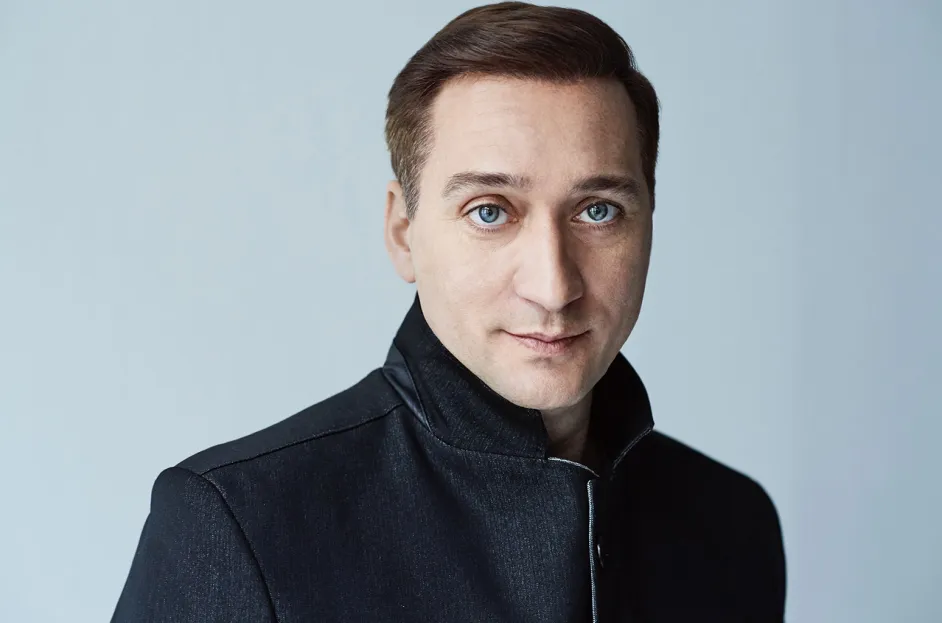
Trance emerged in the early 1990s in Germany, drawing influence from techno, acid house, and ambient music. In cities like Frankfurt and Berlin, producers began crafting tracks that were less about raw industrial punch and more about atmosphere and emotional progression. Early innovators such as Paul van Dyk helped shape the melodic identity of the genre, blending driving beats with uplifting harmonies. Around the same time, projects like Jam & Spoon fused cinematic elements with club energy, pushing trance toward something more expansive and immersive.
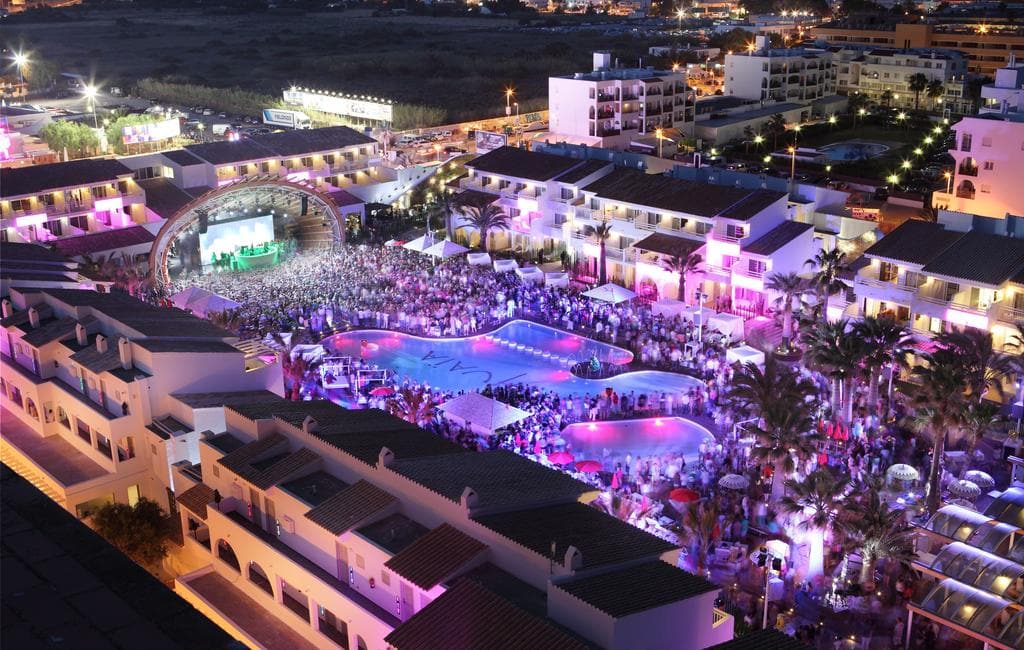
The UK quickly became a second epicenter. Labels and club nights began embracing a brighter, euphoric sound that would later define “uplifting trance.” Meanwhile, in Ibiza, particularly at institutions like Amnesia, trance found a spiritual home. Marathon DJ sets stretched until sunrise, and the music’s long builds and emotional breakdowns perfectly matched the island’s hedonistic yet communal atmosphere.
By the late 1990s and early 2000s, trance entered its golden era. Artists like Tiësto, Armin van Buuren, and Ferry Corsten elevated the genre to global prominence. Radio shows such as A State of Trance helped unify an international fan base, turning trance into one of the first truly global dance movements. Massive festivals embraced the sound, and anthems with extended breakdowns and emotional vocals became staples of early-2000s club culture.
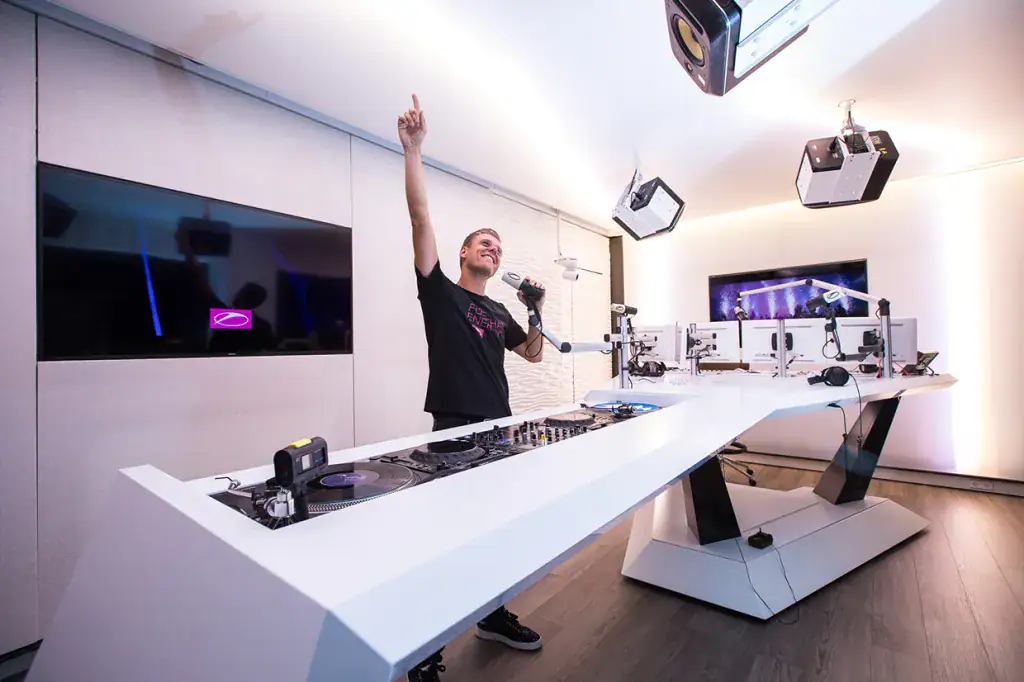
Trance splintered into subgenres as it grew. Progressive trance leaned into subtler builds and rolling grooves. Psytrance evolved with faster tempos and psychedelic textures, rooted in Goa’s spiritual party scene. Tech trance fused harder-edged percussion with melodic structures. Each variation preserved the genre’s core identity: repetition, tension, and emotional payoff.
But as EDM exploded in the 2010s, trance temporarily lost mainstream visibility. Big-room house and commercial festival drops began dominating large-scale events. Some critics declared trance “past its peak.” Yet underground communities never abandoned it. Dedicated festivals, loyal radio audiences, and devoted labels kept the flame alive.
In recent years, trance has experienced a noticeable resurgence. Younger producers are revisiting 90s and early-2000s sounds, blending nostalgia with modern production techniques. Festival lineups are once again embracing extended melodic journeys rather than quick, high-impact drops. There’s a renewed appetite for emotional storytelling in dance music, something trance has always mastered.
At its core, trance is less about spectacle and more about sensation. It’s the slow build that raises goosebumps. It’s the moment when the bass drops out and a melody floats alone in the air before crashing back into rhythm. It’s collective euphoria — strangers with their hands raised, eyes closed, united in a shared crescendo.